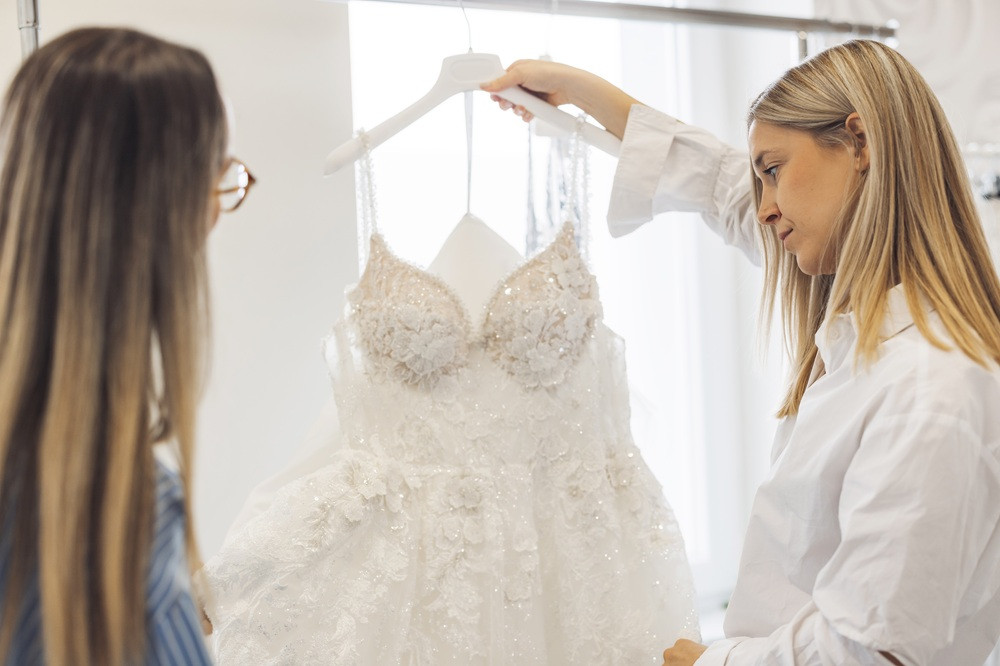
Miami Wedding Dress Experts Release Safe Handling Guidance for Brides
Professional Advice Helps Brides Protect Wedding Dresses Before Cleaning
Miami, FL — Wedding dresses are among the most delicate and meaningful garments a bride will ever own, and experts say proper handling immediately after the wedding is critical. In response, Miami-based Dry Cleaning Factory has released professional guidance to help brides safely handle, transport, store, and prepare their wedding dresses before professional cleaning.
The guidance reassures brides that even without prior experience handling specialty garments, they are capable of protecting their dress with the right information. According to industry professionals who work with wedding dresses daily, a few simple precautions can prevent long-term damage and preserve a gown’s beauty until it reaches a professional cleaner.
The newly released guidance walks brides through essential best practices designed to minimize stress, prevent damage, and safeguard delicate fabrics during the period between the wedding and professional cleaning.

How to Transport a Wedding Dress Without Damage
Once the wedding day concludes, a wedding dress remains highly vulnerable during transport from the venue to home or to a cleaning appointment. Experts note that gowns with heavy fabrics, multiple layers, beading, or long trains are especially at risk once they are off the hanger and in motion.
Improper handling during this stage can lead to wrinkles, snags, crushed embroidery, or fabric stress. The Dry Cleaning Factory emphasizes that careful transport can significantly reduce the need for corrective treatments later.
Steps for Safe, Stress-Free Wedding Dress Transport
Use a Breathable Garment Bag
Experts strongly advise against using plastic garment bags. Plastic traps moisture, which can cause mildew or water marks during travel. Instead, a padded, breathable fabric garment bag allows airflow while shielding the dress from heat and condensation.
Support the Bodice and Skirt When Lifting
Wedding dresses should always be lifted from underneath the main structure rather than by straps or delicate details. Supporting the bodice and skirt evenly helps prevent stretching, especially in gowns with heavy embellishments or long trains.
Lay the Dress Flat When Possible
For car travel, the safest option is laying the dress flat across the back seat. Allowing the skirt to extend naturally prevents deep creases that often require professional steaming to remove.
Use Acid-Free Tissue Paper Between Folds
If folding is unavoidable, professionals recommend placing acid-free tissue paper between each layer. This reduces friction, prevents beading from pressing into fabric, and keeps lace from snagging during transit.
Keep the Dress Away From Heat
Heat exposure can permanently damage wedding dresses. Leaving a gown in a warm car, near vents, or in direct sunlight can darken invisible stains and cause fabrics like satin or silk to bruise or discolor before cleaning.
Limit Handling
The fewer hands involved, the lower the risk of accidental damage. Experts recommend assigning one or two trusted individuals to handle the dress from start to finish.
Storage Mistakes to Avoid at Home
Once a wedding dress arrives home, proper storage becomes just as important as safe transport. Fabrics are highly reactive to environmental conditions, including heat, humidity, tight spaces, and light exposure.
Professionals warn that many brides unintentionally create conditions that cause long-term damage simply by storing their dress in seemingly harmless locations.
Major Storage Errors That Can Put a Wedding Dress at Risk
Using Plastic Garment Bags
Plastic garment bags trap moisture, which can lead to mildew, fabric yellowing, and musty odors. Natural fibers like silk are particularly vulnerable. A breathable fabric garment bag or a clean cotton sheet is considered a safer alternative.
Storing the Dress in Direct Sunlight
Exposure to sunlight, even through windows, can cause fading and uneven discoloration. Lace, satin, tulle, chiffon, and beadwork are especially susceptible, and damage can occur within weeks.
Hanging the Dress in an Overcrowded Closet
Closets packed with clothing can press against the dress, flatten the bodice, and distort textured details such as appliqué and pleating. Professionals recommend allowing the gown enough space to hang naturally.
Storing the Dress in Attics, Garages, or Basements
These environments often experience high humidity, extreme temperature changes, dust, insects, and poor airflow. Such conditions can darken stains, promote mold growth, and weaken delicate fabrics beyond repair.
Hanging Heavy Dresses
Some wedding dresses are simply too heavy to hang safely. Gowns with heavily beaded bodices, multiple thick layers, or long structured trains are better stored flat on a clean, dry surface until cleaning.
Storing Near Perfumes or Scented Products
Wedding dresses readily absorb odors and chemicals. Perfumes, hairsprays, candles, and scented lotions contain oils that can stain fabrics and cause yellowing over time, sometimes permanently once heat is introduced.
Preparing a Wedding Dress for Professional Cleaning
Proper preparation helps professional cleaners identify stains, assess fabric sensitivities, and determine the safest preservation method.
Inspect the Dress Thoroughly
Experts recommend laying the dress flat in bright natural light and examining common trouble areas, including the neckline, underarms, hemline, and train. Clear stains from sweat or beverages may appear invisible at first but often yellow over time.
Small paper tags can be used to mark stain locations, along with notes identifying delicate lace, beading, or fragile elements that may require special handling.
Avoid DIY Stain Treatments
Professionals caution against attempting home stain removal. Water and household cleaners can spread residue, discolor fabric, or reactivate sugars and oils.
Instead, any moisture should be gently blotted with a clean white cloth, allowed to air dry, and left untreated until a wedding dress cleaning specialist can address it properly.
Share Details With the Cleaner
Providing information about the source and age of stains, as well as details about metallic threads, synthetic materials, or couture embellishments, allows cleaners to choose the safest and most effective treatment methods.
Dry Cleaning Factory Offers Expert Wedding Dress Cleaning and Preservation
Dry Cleaning Factory, founded by Rafael “Rafa” Riefkohl, has spent more than a decade helping brides protect and preserve their wedding dresses. With over 7,000 satisfied customers, the Miami-based company specializes in professional wedding dress cleaning and preservation services designed to restore and safeguard each gown.
Industry professionals emphasize that a wedding dress is more than a garment—it is a cherished keepsake representing one of life’s most meaningful moments. Entrusting it to experienced specialists ensures the highest level of care and long-term preservation.
Brides seeking expert wedding dress cleaning and preservation services are encouraged to schedule an appointment with Dry Cleaning Factory.
?? Location: Miami, Florida
?? Phone: 304-666-4353
?? Email: [email protected]