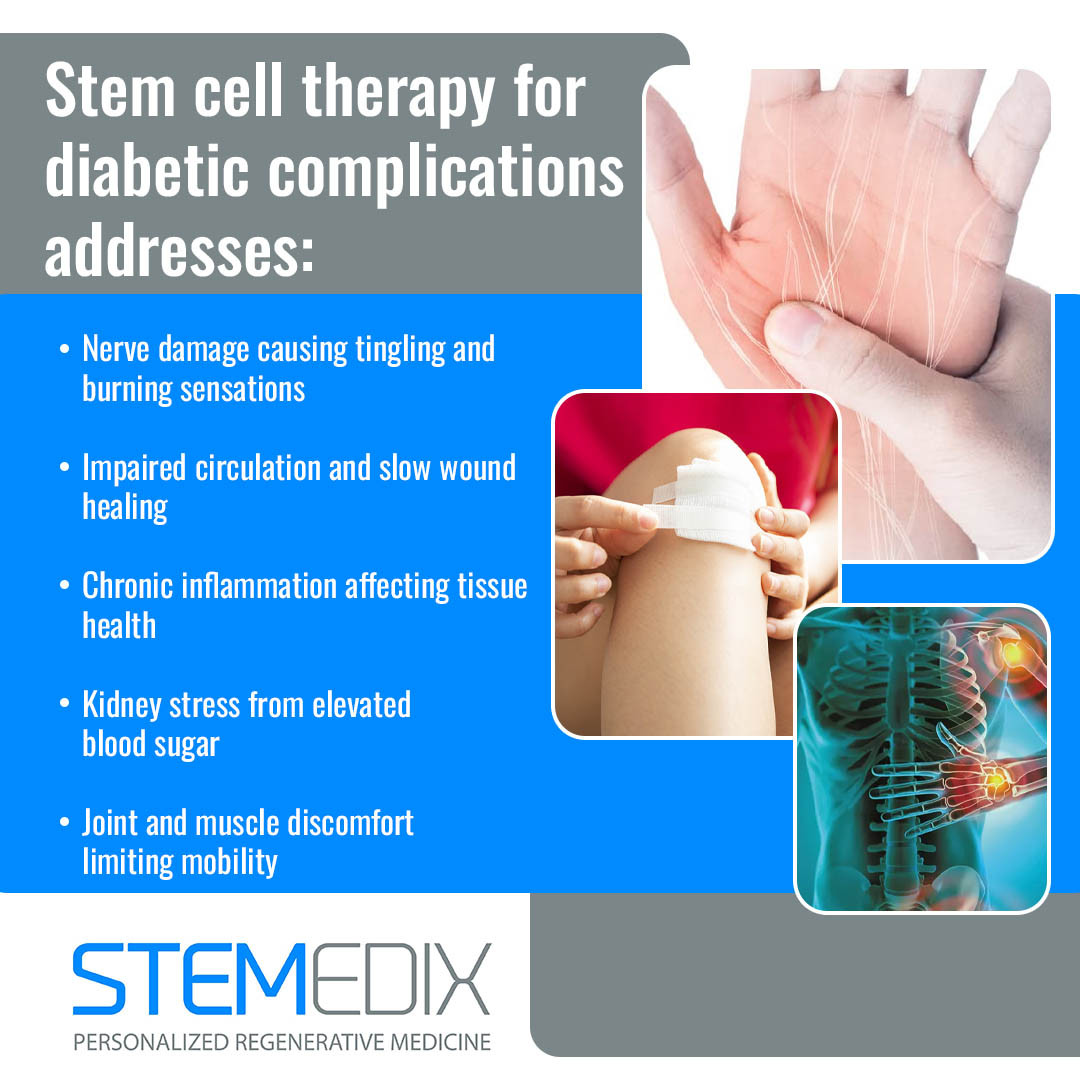
Saint Petersburg, FL – Stemedix, based in Saint Petersburg, FL, provides access to regenerative medicine therapies designed to support the body’s natural repair processes. Stem cell treatment for diabetes is being explored for its potential to address complications such as nerve injury, inflammation, and tissue damage.
Stem cell solutions for diabetes are under study for their ability to support insulin-producing cells, modulate inflammation, and promote repair in affected tissues. While these therapies remain experimental, they offer patients an option for managing complications such as diabetic neuropathy, impaired circulation, and chronic wounds under professional guidance.

Understanding Diabetes-Related Nerve and Tissue Damage
How High Blood Sugar Affects the Nervous System
High blood sugar can damage nerves and small blood vessels. Persistently elevated glucose can disrupt the signaling of nerve cells, slowing repair and causing discomfort. Patients may experience numbness, tingling, or burning in the hands and feet. Microvessels that supply nerves with oxygen and nutrients are also affected, which can further delay natural repair processes.
Common Diabetic Complications Linked to Nerve Injury
Diabetic neuropathy can cause pain, numbness, and organ-related issues. Some common effects include:
Peripheral neuropathy: Tingling, burning, or loss of sensation in hands and feet.
Autonomic neuropathy: Can affect heart rate, blood pressure, or digestion.
Slow wound healing: Reduced circulation increases infection and ulcer risks.
Research indicates that patients with peripheral neuropathy are more likely to develop foot ulcers and experience mobility limitations.
Stem Cell Therapy in Diabetes Care
Stem Cell Therapy for Diabetes – Key Concepts
Stem cell therapy for diabetes introduces regenerative cells to support tissue health. These cells release molecules that assist in nerve repair, reduce inflammation, and support metabolic activity. They interact with existing cells to create a supportive environment without replacing organs or primary medical care.
How These Cells Behave in the Body
Stem cells respond to signals from surrounding tissues. They release factors that influence repair and regeneration, supporting existing cells to improve function in tissues affected by diabetic complications.
Stem Cell Solutions for Diabetes: Areas Being Studied
Beta-cell support and insulin regulation: Supporting beta cells helps maintain blood sugar balance and reduces strain on the pancreas.
Inflammation control: Stem cells release molecules that modulate inflammation, reducing ongoing cellular stress.
Tissue restoration: Stem cells may aid in repairing nerves and blood vessels, improving tissue function and mobility.
Stem Cell Therapy for Diabetic Neuropathy
Why Neuropathy Is a Focus Area
Diabetic neuropathy affects mobility and daily comfort. Pain, numbness, and reduced sensation make this condition a key focus for stem cell therapy for diabetic neuropathy. Targeted therapies aim to support damaged nerves and surrounding tissues.
Biological Actions Being Investigated
Nerve protection: Cells encourage nerve repair and maintain signaling to reduce degeneration.
Vascular support: Improved blood flow supplies nutrients to nerves and tissues.
Reduced inflammatory activity: Immune modulation supports tissue repair and overall nerve function.
Patient-Reported Outcomes
Patients report improvements in energy, sensation, and daily activity. Common experiences include:
Reduced tingling or burning in hands and feet
Improved walking, balance, and coordination
Enhanced ability to perform daily tasks
Emerging Applications for Other Diabetes-Related Complications
Wound Healing and Circulation Support
Stem cell treatment for diabetes may support tissue repair and circulation. Chronic wounds and slow-healing injuries benefit from cellular signaling that promotes regeneration and reduces infection risk.
Kidney Stress and Tissue Injury
Stem cells may support kidney tissues affected by diabetes. They can modulate inflammation and assist in maintaining kidney cell function, potentially slowing tissue damage over time.
Joint and Muscle Health
Stem cells may reduce inflammation and support tissue repair in muscles and joints. Many patients notice improved mobility, reduced stiffness, and better comfort during daily activities.

Why Patients Choose Stemedix
Regenerative Medicine Expertise: Stemedix focuses exclusively on regenerative medicine therapies. Research-backed methods guide personalized plans based on each patient’s medical history and lab results.
Board-Certified Providers: All therapies are reviewed by specialized, board-certified physicians. Care is based on existing medical records without providing new diagnoses.
Step-by-Step Coordination and Travel Assistance: Patients receive dedicated support throughout their treatment. Coordinators assist with scheduling, ground transportation, and mobility needs, allowing patients to focus on therapy.
Conditions Already Diagnosed by Each Patient’s Doctor: Therapies are provided for pre-diagnosed conditions. Providers use your physician’s records to design treatment plans that complement ongoing care.
Contact Stemedix Today
Stemedix offers guidance for patients interested in stem cell therapy for diabetes and related complications. For more information or to start the process, contact Stemedix in Saint Petersburg, FL, at (727) 456-8968 or email [email protected].