Don't Get Stuck Without Hot Water This Winter
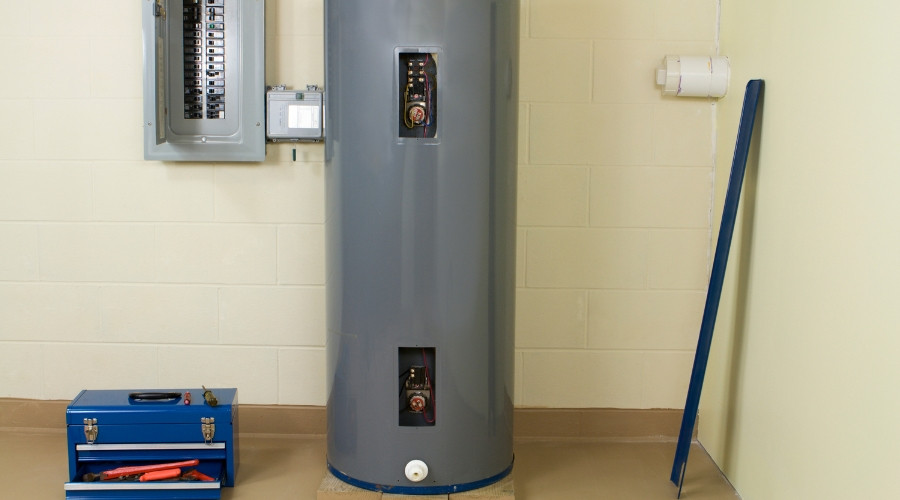
Few systems are more central to daily routines than a reliable water heater. When problems start to show, it can be hard to decide whether a repair will do the job or if full water heater replacement is the smarter move. Watching for patterns in temperature, leaks, and corrosion, and repair history helps clarify when it is time to plan a new unit. This overview explains the most common warning signs.
Temperature Issues
Water heating troubles often appear first at the tap. A unit in good condition delivers a consistent flow of hot water. When performance changes noticeably, the system may be signaling that it is wearing out.
Common temperature-related red flags include:
- Water that swings from hot to lukewarm or cold without changing the faucet handle
- No hot water at all, even when power or gas supply is present
- Showers that turn cold much faster than they did a year or two ago
These issues can be caused by failing heating elements, burners that no longer operate efficiently, or heavy sediment buildup at the bottom of the tank. While some individual parts can be repaired or replaced, frequent or worsening temperature problems—especially on an older unit—often indicate that planning for new water heater installation is prudent.
Leaks or Corrosion
 A leaking water heater should never be ignored. Even a small water heater leak can damage flooring, nearby walls, and belongings if it continues. Moisture at the base of the tank, steady dripping from seams, or visible puddles around the heater are strong indicators that the tank or its fittings are no longer sealed.
Corrosion usually sits behind those leaks. Over time, the tank's inner lining wears away, and water heater corrosion begins to attack the steel. Telltale signs of a corroded water heater include:
- Rust-colored or cloudy hot water
- Hot water with a metallic smell or taste
- Visible rust streaks, bubbles, or blistering on the tank exterior
Once corrosion reaches this stage, the metal shell becomes thin and fragile. Repairs rarely last, and the risk of a sudden rupture increases. In most cases, a visibly corroded or leaking water heater is best replaced to prevent a larger failure and more extensive water damage.
Old Age or Frequent Repairs
 Traditional tank-style water heaters have a limited service life. After about 10 years of operation, internal parts are more likely to wear out, and problems start appearing more often. When a heater of this age shows signs such as noisy operation, cloudy water, or minor leaks, it is usually approaching the end of its lifespan.
Frequent repair calls tell a similar story. If different components fail every year or two—thermostats, valves, elements, or pilot assemblies—the total cost of keeping the unit running can quickly add up. Combined with lower efficiency typical of older equipment, the economics often tilt toward replacement. Installing a modern water heater matched to the home’s needs restores dependable hot water while also offering improved performance and a fresh warranty.
About PHD Mechanical Inc
PHD Mechanical Inc offers peace of mind for all plumbing and heating needs in Denville and the surrounding areas. They provide convenient scheduling and live answering, with a community-centred approach backed by 40 years of experience. Call them today for water heater repair and replacement in Denville, NJ.