Homeowners begin noticing winter's impact on their properties. Lawns appear thin or patchy. Compacted soil struggles to support healthy growth. Debris from winter weather still covers beds and borders. These conditions are normal after months of snow, freeze-thaw cycles, and salt exposure. The key to recovery involves understanding what winter does to landscapes and taking strategic action early in the growing season. Learning about essential spring lawn care tips and maintenance steps helps homeowners understand why professional spring services matter. Properties that receive proper spring attention recover stronger, thicker, and healthier than those where homeowners wait for damage to self-correct.
Spring represents a critical window for landscape recovery work. Winter dormancy isn't just a rest period for grass and plants. It's a time of compaction, nutrient depletion, and damage from salt, ice, and heavy snow loads. Soil conditions deteriorate. Weak areas develop where snow piled or foot traffic concentrated. Newly exposed soil in damaged patches creates opportunities for weeds to establish. Without spring intervention, these issues compound throughout the growing season. Early spring action prevents small problems from becoming expensive landscape replacements.
Understanding Winter Damage to Connecticut Lawns
Winter affects Connecticut lawns in multiple ways. Compacted soil from snow depth and foot traffic reduces air circulation around grass roots. This compaction limits water penetration and prevents nutrients from reaching plant tissues. Grass becomes weak and vulnerable to disease even as temperatures warm. Salt exposure from winter de-icing kills plants at the edges of driveways and walkways. Root damage occurs even where visible plant material survives intact. Nutrient depletion happens as plants draw stored reserves during dormancy without replacement.
Winter damage also creates conditions that favor weed growth. Thin, weak grass provides little competition for opportunistic weeds. Bare patches left by salt damage or heavy snow pileup offer open space for weed seeds to germinate. Dead grass creates thatch buildup that insulates emerging weeds rather than new grass shoots. Ice damage to perennials and shrubs creates wounds where disease enters plant tissue. Spring conditions of warming soil and increasing moisture trigger seed germination and disease spread if conditions aren't managed properly.
Compacted soil represents perhaps the most significant winter legacy. Heavy snow loads compact soil particles together, reducing pore space where water and air flow. Frozen ground prevents water drainage, creating waterlogged conditions when thaw begins. Soil biology slows dramatically during winter, so beneficial microorganisms that improve soil structure remain dormant. Spring temperatures trigger microbial activity, but the soil structure must be improved to support healthy recovery. Without aeration and renewal, soil conditions from winter persist well into summer.
Spring Services That Support Lawn Recovery
Professional spring landscape services address these winter impacts systematically. Comprehensive spring cleanup removes remaining debris, winter mulch materials, and dead plant material. This cleanup reveals the actual condition of planted areas and allows assessment of winter damage. Visible debris removal also improves property appearance and allows new growth to emerge without competition from dead material.
Lawn aeration breaks apart compacted soil, creating space for air, water, and root expansion. Aeration involves removing small soil cores from the turf, which creates channels for gas exchange and water movement. This process stimulates root development and microbial activity. Spring aeration timing allows grass to respond by growing into the opened areas before peak heat stress occurs in summer.
Overseeding follows aeration to introduce new grass seed into damaged areas and thin spots. Fresh seed germinates in loosened soil where existing grass cannot compete. Overseeding thickens weak lawns and fills bare patches before weeds establish. Proper seed selection for Connecticut's climate ensures that new growth matches existing turf and withstands summer stress.
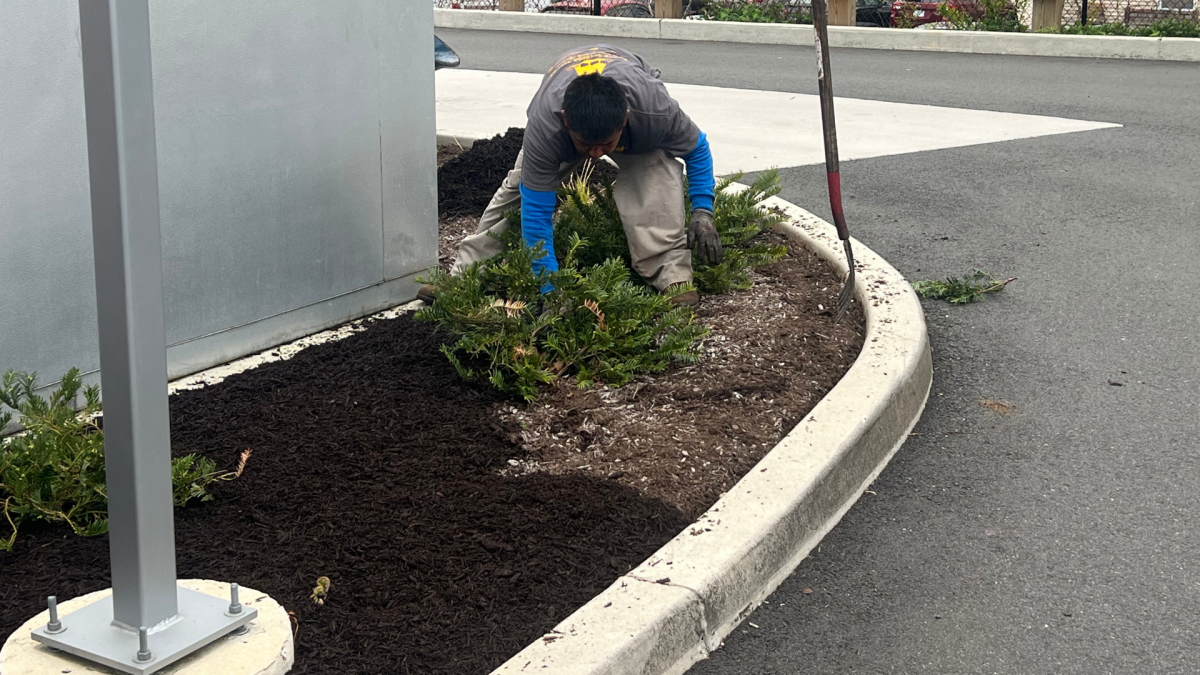
Mulch renewal in planting beds provides fresh organic material that feeds soil as it decomposes. Spring mulching also moderates soil temperature fluctuations, provides weed suppression, and improves water retention during dry periods. Fresh mulch appearance improves property aesthetics while supporting plant health underneath.
Soil testing and amendment recommendations ensure that spring recovery addresses actual soil conditions rather than general assumptions. Some soils need nitrogen to support growth. Others need pH adjustment or organic matter incorporation. Targeted amendments provide what specific properties require rather than generic fertilizer applications.
Spring Recovery Services Across Fairfield County
Brothers Outdoor Services provides spring landscape recovery across Brookfield, Bridgewater, Newtown, Danbury, and Bethel. Services include comprehensive lawn care and maintenance options designed to address winter damage systematically. Professional teams assess individual properties, identify specific winter impacts, and recommend appropriate spring work.
Spring timing allows coordination of multiple services. Early season aeration and overseeding occur as soil warms but before heat stress peaks. Mulch renewal happens as soil temperatures moderate and ground dries slightly. Pruning and plant restoration follow after frost risk passes but while plants still focus energy on growth rather than maintenance. Coordinating services helps properties recover efficiently and completely.
Experience and Local Knowledge
Brothers Outdoor Services has provided landscape and maintenance services throughout Fairfield County since 1999. Experience working with local soil conditions, regional climate patterns, and typical Connecticut property challenges informs spring recovery recommendations. Professional teams understand which grass types and plant species perform best after winter stress. Local knowledge guides timing decisions that maximize recovery success.
Spring Work in Specific Communities
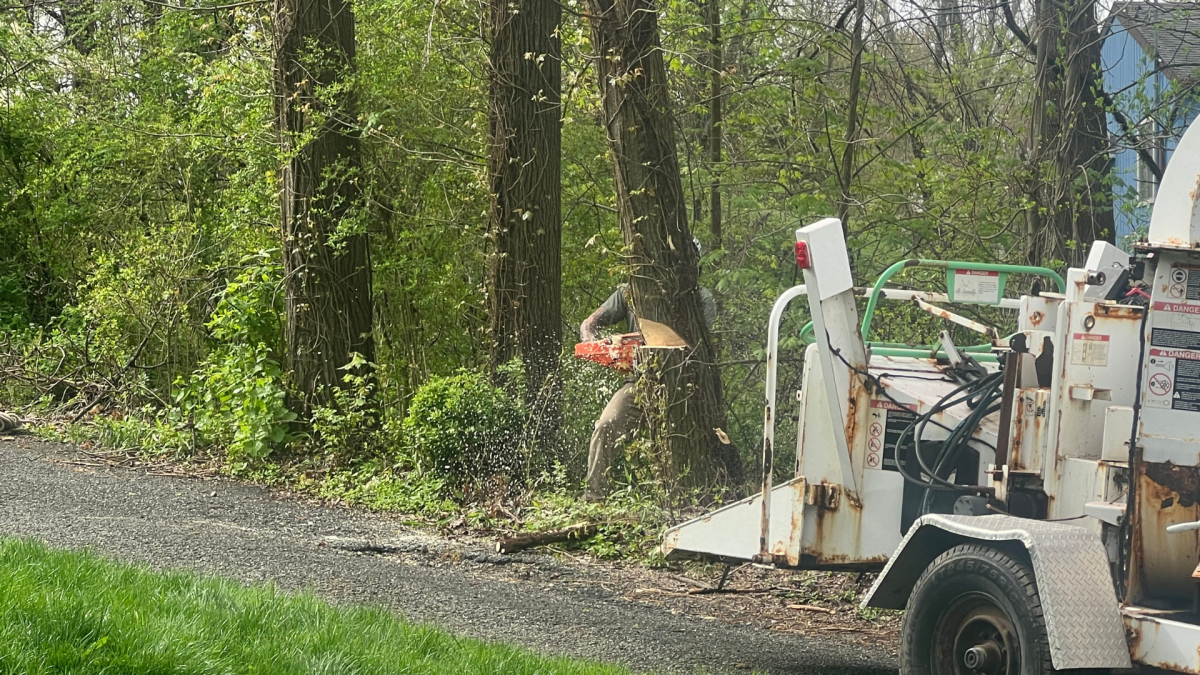
Spring recovery services in Brookfield, Bridgewater, Newtown, Danbury, and Bethel address specific local conditions. Properties with significant winter salt exposure need targeted recovery approaches. Slopes and drainage areas require assessment to ensure winter water damage doesn't persist into spring. Wooded properties may have branch damage and debris requiring specialized attention. Professional teams adjust spring approaches based on individual property conditions and location-specific challenges.
Getting Started With Spring Recovery
Spring recovery work begins when soil temperature reaches approximately 50 degrees Fahrenheit and stays above freezing overnight. This timing typically occurs in April across Fairfield County, though exact timing varies by year and location.
Brothers Outdoor Services operates across Brookfield, Bridgewater, Newtown, Danbury, and Bethel. Call (475) 777-3293 or schedule a spring landscape recovery work or visit brothersoutdoorservices.com. You can also learn more about their services to understand what's available in your area.