Winter dormancy is a normal and necessary phase for cool-season grasses in Central Texas. However, this period of reduced growth comes with real vulnerabilities. As lawns go inactive to survive cold temperatures, they become defenseless against compaction, disease, weed pressure, and nutrient depletion. Homeowners who understand what happens during winter and plan ahead for spring recovery emerge from the season with healthy, resilient yards. Those who neglect winter damage assessment find themselves playing catch-up all spring and summer long. Planning for spring lawn recovery starts with understanding winter dormancy and its effects.
What Winter Dormancy Does to Lawns
Winter dormancy is the physiological process that allows cool-season grasses to survive cold months. Growth slows dramatically, energy use decreases, and root activity becomes minimal. This adaptive process is healthy for the grass itself. The problem is that dormancy creates conditions where damage accumulates unchecked.
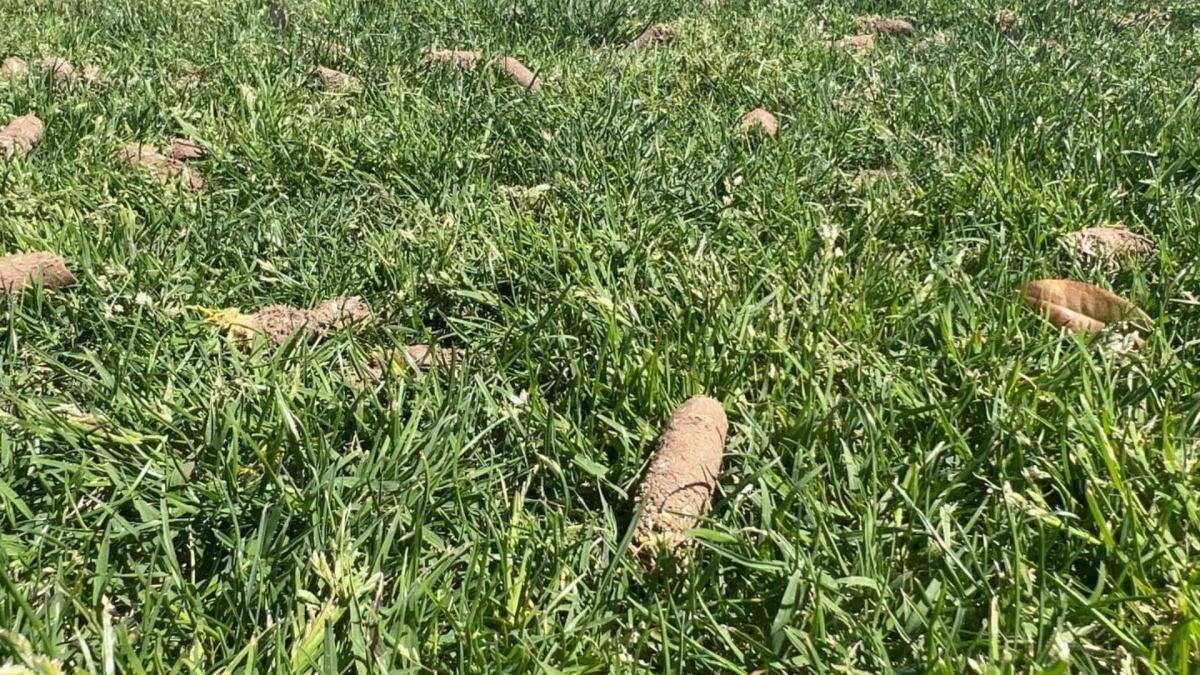
During dormancy, grass cannot repair itself from traffic, compaction, or disease. A lawn that experiences foot traffic, pet activity, or heavy equipment movement during winter months sustains damage that the grass cannot recover from because growth is shut down. Compaction from winter activity hardens soil and restricts water infiltration and nutrient movement. Once spring arrives and grass begins growing again, it must work harder to overcome compacted soil while simultaneously dealing with any disease or pest issues that developed during dormancy.
Winter also brings moisture challenges that damage lawns. Excessive rain or inadequate drainage can lead to fungal disease development. Dormant grass cannot fight off disease the way actively growing grass can. Diseases that start in December or January may not become visible until spring when growth resumes, but by then the damage is already established. Poor drainage combined with cool, moist conditions creates ideal circumstances for diseases like snow mold, take-all patch, and other dormant season problems.
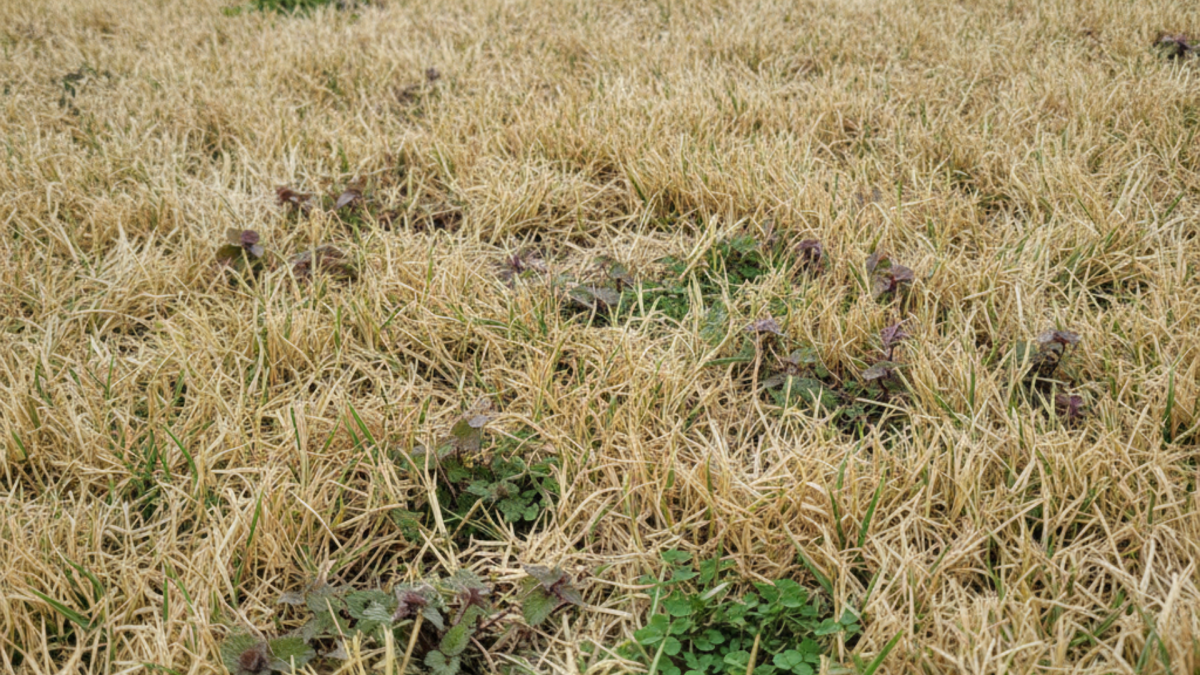
Winter dormancy also leaves lawns vulnerable to weed invasion. Winter annual weeds thrive while your grass sleeps. These weeds germinate in fall and grow aggressively through December, January, and February. They establish strong root systems and prepare to set seed before spring arrives. A lawn covered in winter weeds by March has lost ground that will take months to recover.
Identifying Winter Damage
Spring assessment requires knowing what to look for. Common winter damage patterns appear as bare spots, thinned areas, discoloration, or patches of dead grass. These visible problems indicate underlying issues that need addressing before spring growth begins.
Bare spots and thin areas often result from disease, compaction, or weed pressure. Discolored grass may indicate disease, nutrient deficiency, or ice damage. Dead patches suggest fungal disease, poor drainage leading to root death, or damage from ice or freezing stress. Winter kill, where grass dies in patches from extreme cold, appears as dead zones that will not green up as temperatures warm.
Compacted soil is harder to see but equally damaging. Lawns with compacted soil feel hard underfoot, water runs off instead of soaking in, and new grass struggles to establish. You might notice these areas drain poorly after rain or stay wet longer than surrounding lawn.
Pest damage from grubs or other dormant season insects may not be apparent until spring, but damage is occurring beneath the soil surface. Winter weeds are obviously visible by late winter and early spring.
Planning Your Spring Recovery
Effective spring recovery requires understanding what happened during winter and creating a strategic response plan. Assessment is the first step. Walk your entire lawn in late winter or very early spring and document problem areas. Note thin spots, bare patches, areas of poor drainage, visible weed infestations, and any discoloration or dead grass. Take photos for reference.
Next, identify the causes of damage. Did you see winter weeds? Address them before spring growth allows them to flower and set seed. Did you notice disease? Plan for fungicide treatment or disease prevention depending on what you find. Do you have thin areas from compaction? Aeration and overseeding may be necessary. Is drainage poor in certain spots? You may need to address grading or soil improvement.
Create a timeline for treatment. Some treatments should happen immediately. Winter weed control is most effective when done in January or early February. Other treatments wait for spring. Aeration typically occurs as soil temperature warms and grass begins growing. Overseeding happens right after aeration. Fertilization timing depends on your specific lawn and soil conditions.
Recovery Services That Work
Winter weed control is essential. Weed control services address the weed pressure that accumulated over winter before those weeds flower and create spring germination problems. Aeration relieves compaction and opens soil for seed establishment. Overseeding fills in thin and bare areas with healthy new grass. Topdressing improves soil structure and adds nutrients. Disease treatment addresses fungal issues that developed during dormancy.
Spring fertilization restarts growth after dormancy. Your grass needs nutrients after months of reduced activity. Proper fertilization timing ensures grass gets what it needs without encouraging disease or excessive tender growth in early spring.
Why Planning Now Matters
Lawns that receive assessment and spring recovery planning in January and early February recover stronger than those that neglect winter damage. Early planning allows you to address problems when treatment is most effective. Winter weed control works best before spring growth. Disease treatment is easier to apply to dormant grass in some cases and more preventive when applied before growth season begins.
Early planning also keeps you ahead of the spring rush. By February and March, landscape companies are fully booked. Scheduling now ensures you get the services you need at the right time. Delayed planning means waiting for availability or accepting less ideal timing for treatment.
Financial impact is significant. Addressing winter damage early costs less than dealing with extensive damage later in spring. A lawn with untreated winter weeds and compaction requires more intensive and expensive treatment in April and May than one that was addressed in February.
Taking Action
Georgetown, Liberty Hill, and Leander homeowners who want healthy lawns this spring should start planning now. Contact Green Dream Lawns to schedule a winter damage assessment. A professional evaluation identifies what happened to your lawn during dormancy and creates a systematic recovery plan. Call 737.343.8545 or visit greendreamlawns.com. You can also find information from other homeowners. Starting recovery planning now positions your lawn for a strong, healthy spring and summer.