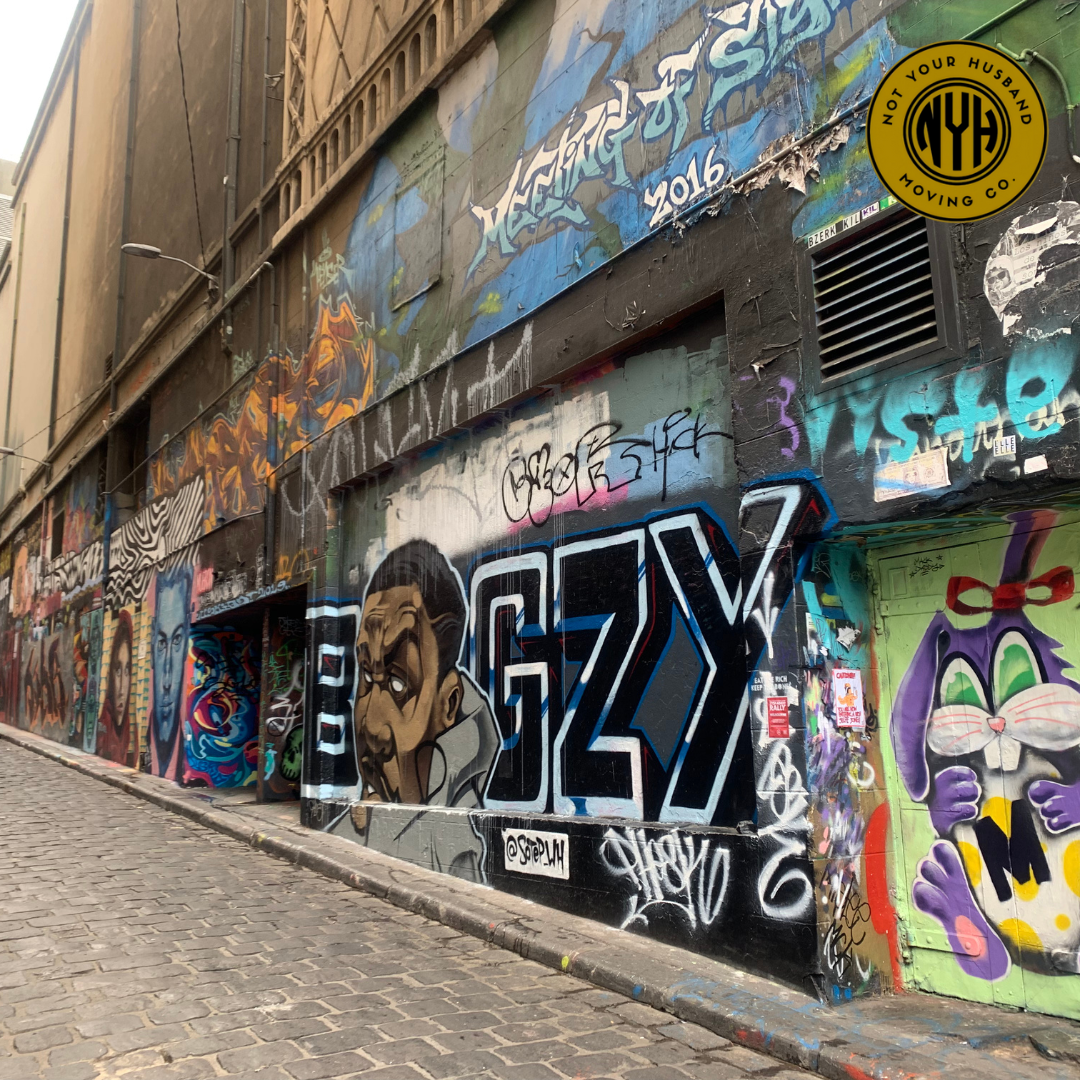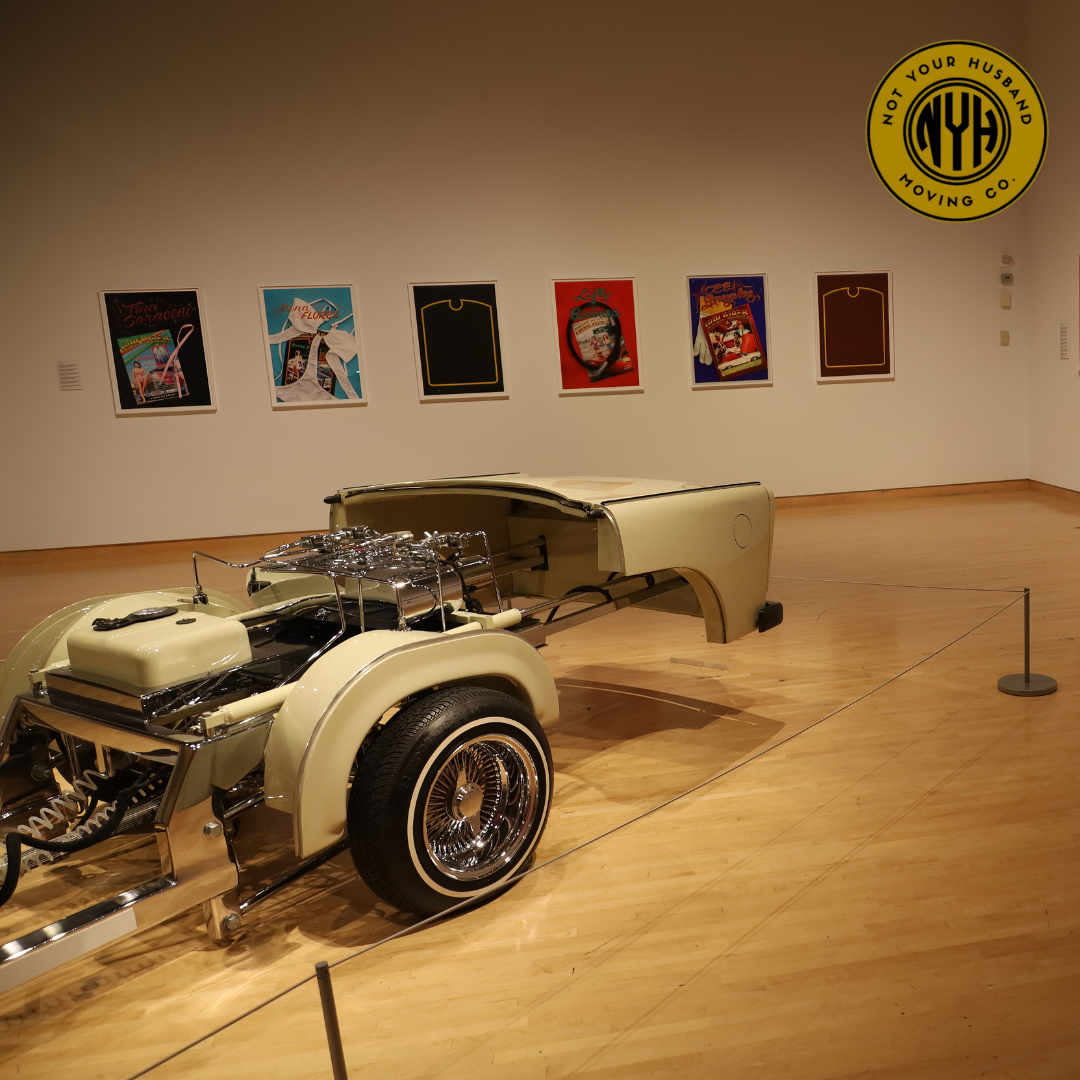
Settling into one of Phoenix’s growing art districts involves more than simply unloading a truck and placing items inside a new home. Moving into these neighborhoods often involves navigating an area shaped by galleries, murals, nightly events, and mixed-use spaces that stay active at unusual hours. The atmosphere feels different from a suburban move where streets are wider, deliveries are simple, and parking is predictable. Instead, residents in art district settings may face tight alley access, loading restrictions, one-way streets, and crowded sidewalks on weekends when markets and festivals draw visitors. Moving crews must work within limited space, and residents may need to schedule their move during hours that avoid traffic and activity peaks. Not Your Husband Moving shares practical advice to help newcomers prepare, understand the different pace of these communities, and settle comfortably so they can enjoy their creative surroundings without stress.
Reasons Behind the Art District Move
Rising rent in Phoenix’s original downtown core became one of the most influential reasons artists and galleries began looking for alternative locations. When commercial lease rates increased significantly over a short period, creative entrepreneurs who operated on limited budgets found they could no longer stay in the same areas where they once flourished. For many, relocating was not about abandoning the city but about finding spaces that matched their needs and allowed their work to continue sustainably.
Another challenge was physical space. Artists depend on more than a standard room to create. They require wide studios, shared workshops, staging rooms, and storage for finished and in-progress pieces. As available square footage shrank and rental units became smaller, artists found themselves choosing between cutting back operations or searching for expanding districts where they could work comfortably. Relocation offered the opportunity to grow collections, build public exhibits, and collaborate with others without feeling restricted.
Beyond affordability and space, the culture in downtown Phoenix shifted as commercial development accelerated. Tall office buildings, chain restaurants, and national retailers changed the look and rhythm of the area. What was once a concentrated creative hub slowly transformed into a business district aimed at commuters and corporate workers. Foot traffic patterns changed as well, and the type of visitor most dependent on local art and galleries became harder to attract. Moving to a neighborhood where creativity remains a defining trait offered artists a chance to reestablish their presence in a community ready to support them.
Urban leaders and advocates continue to study this shift closely. They recognize that supporting creative activity is key to a city’s identity, and maintaining an affordable environment is essential to preserving art communities. Successful long-term solutions often include ongoing dialogue among developers, property owners, policymakers, and creative professionals, allowing cities to grow without pushing out the people who help enrich them.
All of these combined pressures help explain why so many creative groups relocated. The story is not one of decline but rather adjustment in response to economic forces and evolving neighborhoods. The move also set the stage for ripple effects across downtown Phoenix and beyond.
Effects on Downtown Businesses
Businesses located in the original art district area have experienced noticeable changes following the relocation of galleries and studios. Many of them depended heavily on crowds who arrived for art walks, opening receptions, and weekend events. With fewer visitors, some restaurants and shops report slower days and less consistent revenue. For example, cafes that once filled their tables during evening gallery tours now see less foot traffic during those same hours.
However, the shift has also opened the door for different industries to enter the market. Some building owners now target technology firms, startup companies, and shared workspaces that attract workers on a daily schedule instead of occasional event-goers. Regular weekday activity brings stability to some parts of downtown, creating a new customer base that uses food services, errands, and retail in different patterns.
Phoenix city leaders have acknowledged this transition and introduced redevelopment programs aimed at supporting long-term commercial variety. Incentives for new investments and improvements to public streetscapes are intended to build a neighborhood where creative business, dining, office, and entertainment sectors can coexist.
These changes require time. Some existing businesses may face lean financial periods while the area adjusts. Those who adopt new strategies are more likely to remain strong. Owners are encouraged to collaborate with neighbors, consider promotional partnerships, join markets or festivals hosted elsewhere in the city, or experiment with online selling if walk-ins decrease.
Downtown Phoenix stands at a crossroads. While the movement of artists brought uncertainty, it also introduced opportunities for reinvention. The district can become a more diverse commercial zone, and adaptability will determine how well businesses succeed through the transition.
Neighborhood Changes and Development
The arrival of Phoenix’s art district in a new area has brought visible transformation. Property values increased, followed closely by rising rental prices. Homeowners may welcome appreciation, but longtime residents renting houses or apartments sometimes feel financially squeezed. This trend is common in cities where cultural communities move into large underdeveloped sections, bringing attention, visitors, and investor interest.
When art institutions arrive, they attract new amenities like independent coffee shops, galleries, theaters, and boutique stores. While these changes create neighborhood vibrancy, they may also shift the economic profile of the area. Some original residents appreciate the improvements while others worry about being priced out.
Local nonprofits and neighborhood groups have responded by creating programs designed to build bridges rather than separation. Some organizations offer free arts education or community exhibits that involve residents who have lived in the area for years. Mural projects invite volunteers to paint and contribute to public installations that reflect local character. These collective creations help maintain a shared sense of belonging and reduce concerns that newcomers will erase existing culture.
Urban planners emphasize that neighborhoods with healthy growth patterns combine investment with protective policies. Affordable housing incentives, small business support, inclusion planning, and collaboration between city officials and residents help maintain stability. When communities work together, they protect both history and opportunity.
The art district’s relocation shows how transformation can bring benefits when paired with smart planning. Development that includes everyone is more sustainable and creates a stronger sense of place.
Artistic and Cultural Growth
The move has given Phoenix’s creative community access to spaces that better suit their work. Larger buildings allow for ambitious art projects like oversized murals, large-scale sculptures, or interactive exhibits that attract attention and encourage experimentation. Artists feel more comfortable pushing their ideas when they have room to test techniques.
The expanded district also supports performance art, pop-up theaters, and collaborative shows. More event venues, street-friendly plazas, and open studio spaces mean art becomes part of everyday experience, not something hidden behind closed doors. Newcomers and longtime residents can watch creative trends evolve in real time and participate directly.
With growth comes responsibility. Noise, parking, and activity levels have to be managed so the area remains enjoyable for everyone. Regular meetings between residents and business owners help prevent conflict and reinforce cooperation. Public art installations, block events, and community open houses strengthen the relationship between creative workers and those living nearby.
Promoting the district’s future involves continued investment in new talent. Grants, apprenticeships, workspaces at manageable prices, and training programs help artists start their careers and stay in the neighborhood even as it grows more popular.
This period marks a turning point for Phoenix, allowing its art scene to flourish on a scale that may eventually rival those of larger cultural destinations.
Historic Preservation vs. Modernization
Urban development in Phoenix highlights a debate between protecting historic buildings and adding new construction suited to modern needs. Longstanding structures with character contribute to a neighborhood’s identity. Older brick storefronts, painted warehouse walls, and preserved signs serve as reminders of earlier generations and remain valuable features that residents appreciate.
Modern construction, however, can bring safer materials, better energy efficiency, and building designs that accommodate contemporary living and working needs. New construction may attract visitors, businesses, and investors interested in updated facilities, which can drive economic growth.
Each approach offers advantages but also involves compromise. Protecting buildings may limit the ability to expand or renovate structures. Framing new buildings without consideration for architectural context may remove meaningful elements of neighborhood history.
A balanced approach encourages adaptive reuse. Converting factories into studios, storefronts into shared spaces, and older homes into galleries preserves character while improving function. Community feedback programs help guide developers, ensuring that new projects reflect neighborhood values while still allowing modernization.
Phoenix’s evolving art districts show that cities do not need to choose between old and new. They can combine heritage architecture with updated development practices to maintain continuity as they evolve.
Future of Phoenix’s Art Scene
The shift to new neighborhoods positions Phoenix to expand its creative recognition on a national and international level. City leaders, gallery organizations, and arts associations envision a district that supports local artists while inviting audiences from beyond Arizona.
Major events and festivals are part of this vision. Large rotating exhibits and multi-venue gatherings could draw curators, collectors, and tourists. These opportunities open doors for artists to show their work to wider audiences without relocating to larger cities.
Rising visibility creates momentum that encourages additional investment in art programs, cultural tourism, and public spaces. If Phoenix continues to support expanding creative activity through policy, zoning, and funding, its art district could develop into a destination known for innovation and diversity.
For residents and new arrivals, taking part in community events or volunteering with cultural groups is a meaningful way to join the city’s story. The future depends on participation and collaboration between artists, neighborhoods, and businesses.
The relocation of Phoenix’s art district represents an important turning point for the city. Rising costs, limited space, and changing commercial landscapes encouraged artists to seek neighborhoods that matched their needs. Their move sparked a chain reaction affecting downtown businesses, property trends, cultural development, and future planning. While challenges exist, Phoenix can guide this transition by supporting both creative growth and community stability. If city leaders, residents, and artists continue to work together, Phoenix will build an art scene that thrives, attracts new talent, respects history, and remains open to the people who make it feel alive.

Why Not Your Husband Moving Stands Out for Relocations to Phoenix’s Art District
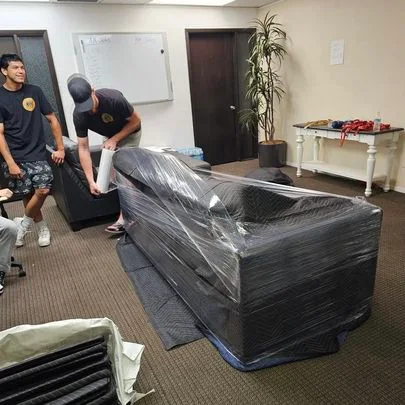
Moving to the vibrant Phoenix Art District calls for a team that understands the neighborhood's pace, personality, and layout, and Not Your Husband Moving is well-equipped to support that transition with care and precision. Their movers work with organized planning, efficient packing, and secure handling to protect everything from everyday essentials to delicate creative pieces, all while navigating busy streets, loft-style buildings, and studio-style spaces common in the area. With reliable communication and a structured approach from pickup through delivery, they help ensure your relocation is smooth, timely, and thoughtfully managed. Call 480-418-3227 to plan your Art District move and partner with a team ready to get you settled into Phoenix’s creative core.