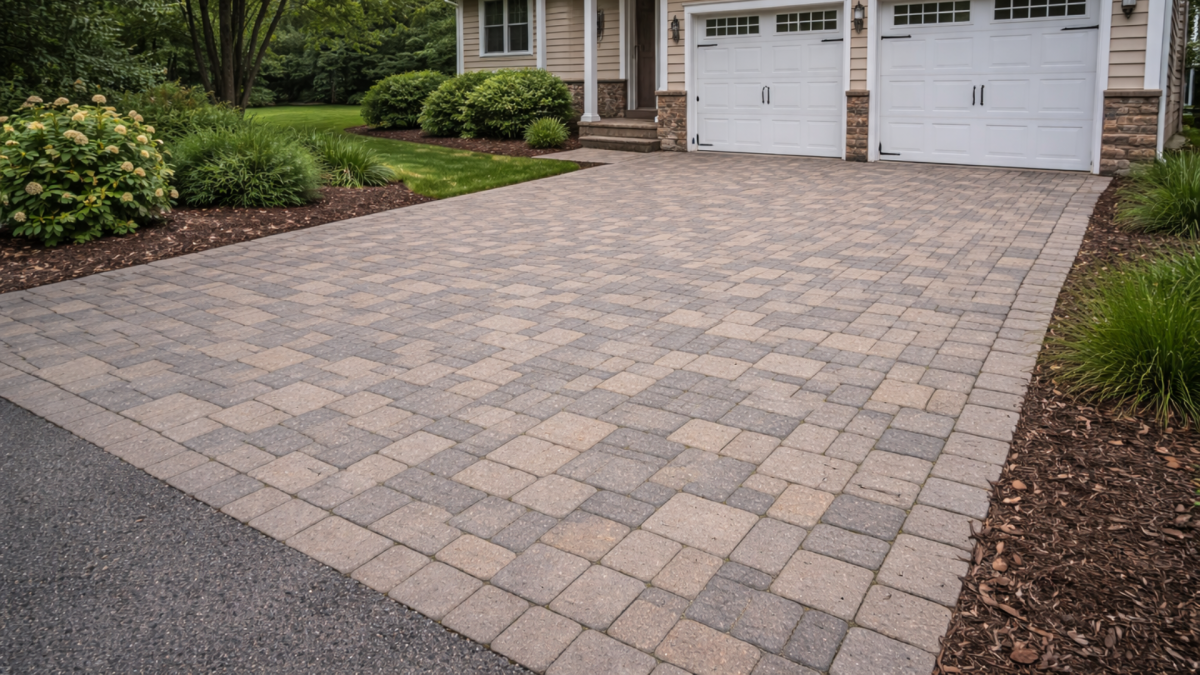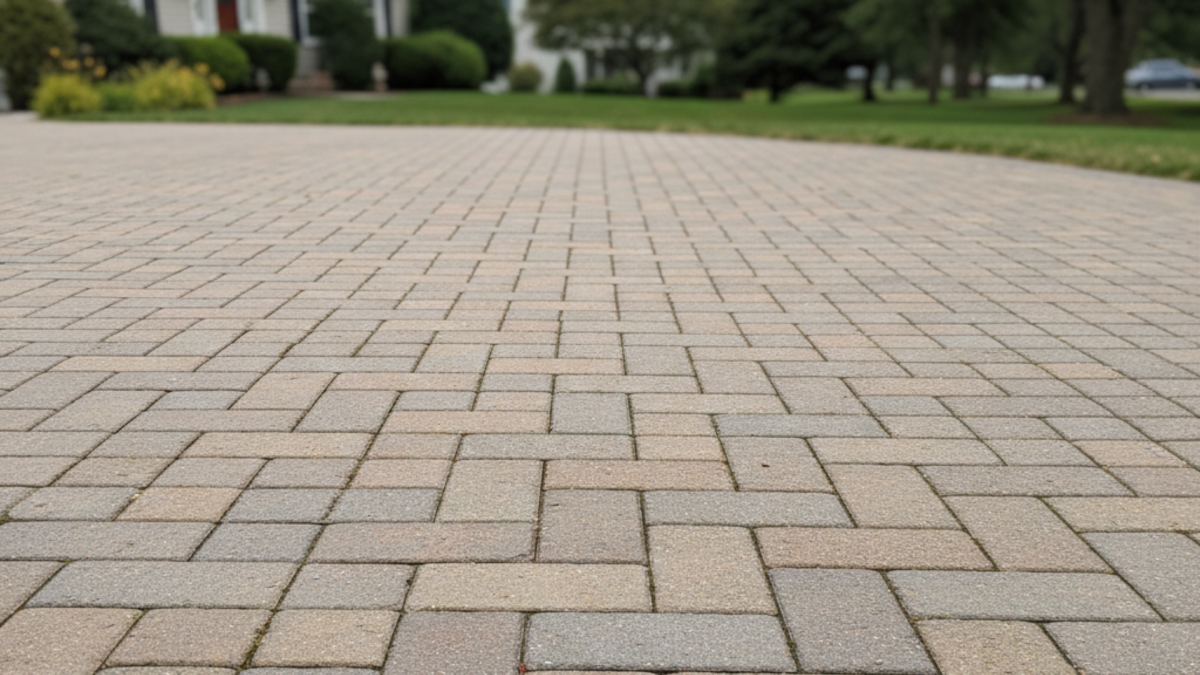

Artistic Landscape Features has published guidance addressing paver driveway planning and common failure points affecting installations in Tinton Falls and surrounding central New Jersey communities. The resource examines base preparation requirements, drainage system design, material selection, and installation quality factors that determine long-term driveway performance.
The company's content on why paver driveways fail in New Jersey provides information for property owners considering driveway installations or experiencing problems with existing paver surfaces in the region.
Understanding Paver Driveway Performance Issues
Property owners throughout Tinton Falls and central New Jersey encounter paver driveway problems stemming from installation quality issues rather than material defects. Common problems include surface settling that creates depressions where water pools, edge separation where pavers along driveway borders shift or sink, lippage where individual pavers become uneven creating trip hazards, cracking or breaking of individual paver units, and weed growth through joints indicating base or sand layer problems.
These issues typically trace back to specific installation deficiencies. Inadequate base depth or improper base material compaction creates insufficient support for vehicle loads. Poor drainage design allows water to accumulate under the paver surface, weakening the base over time. Missing or inadequate edge restraint fails to hold the paver system together under lateral forces. Incorrect joint sand or insufficient sand depth permits paver movement and weed establishment.
Understanding why driveways fail helps property owners ask informed questions during planning, evaluate contractor proposals critically, and recognize warning signs during installation. The distinction between cosmetic issues and structural problems affects both immediate responses and long-term outcomes.
Paver driveways represent significant investments in property access, curb appeal, and functionality. Installations executed with proper base preparation, comprehensive drainage design, and quality materials provide decades of service with minimal maintenance. Those lacking these fundamentals begin showing problems within months or years, requiring expensive repairs or complete replacement.
How Installation Quality Affects Property Value and Function
Driveway performance affects daily property use and long-term value considerably. A failing driveway creates practical problems including vehicle damage from uneven surfaces, safety hazards from trip points and unstable pavers, drainage issues affecting adjacent areas and foundations, and accelerated deterioration requiring premature replacement.
Property owners face difficult decisions when driveways show problems. Attempting repairs on poorly installed driveways often provides only temporary improvement because underlying issues remain unaddressed. Complete replacement represents substantial expense but may be necessary when base or drainage deficiencies exist. Understanding whether problems stem from fixable issues or fundamental installation failures requires knowledge of proper paver driveway construction.
The appearance and condition of driveways significantly influence property value and buyer perception. Well-maintained paver driveways in good condition enhance curb appeal and demonstrate property care. Driveways with visible settling, uneven surfaces, or vegetation growth create negative first impressions and raise buyer concerns about installation quality and potential repair costs.
For properties in Tinton Falls and surrounding areas where freeze-thaw cycles, clay soils, and variable moisture conditions challenge driveway installations, proper construction techniques become even more critical. Regional soil conditions and climate patterns that affect base stability and drainage requirements must be incorporated into design and installation planning.
Base Preparation Requirements for Vehicle Loads
Proper base preparation provides the foundation for long-term paver driveway performance. Driveways must support vehicle weights repeatedly without settling or shifting. This requires adequate base depth, appropriate base materials, and thorough compaction at each layer.
Base depth for driveways typically ranges from 8 to 12 inches depending on soil conditions and expected traffic loads. Properties with clay soils or poor drainage often require deeper bases or additional geotextile fabric layers. Soil testing and evaluation inform appropriate base specifications for specific site conditions.
Base materials should consist of crushed stone aggregate in specific size ranges that compact well and provide drainage. Different aggregate layers serve different purposes, with larger stone at the bottom for stability and smaller stone near the top for surface preparation. Each layer requires compaction to specified density before the next layer installation.
Edge restraint systems hold the paver array together and prevent lateral movement under vehicle loads. Proper edge restraint extends below the paver surface and connects to stable elements. Without adequate restraint, driveway edges gradually spread and sink, compromising the entire installation.
Drainage Design Integration
Water management determines whether paver driveways maintain their integrity or gradually deteriorate. Drainage and grading design must address both surface water that falls on the driveway and groundwater that might accumulate beneath the installation.
Surface drainage requires appropriate slope to move water off the driveway surface toward appropriate outlets. Minimum slope of 2 percent prevents pooling while maintaining comfortable use. The relationship between driveway grade and surrounding areas determines where water flows and whether it creates problems for adjacent structures, lawns, or neighboring properties.
Subsurface drainage addresses water that infiltrates through paver joints or rises from groundwater. The crushed stone base provides some drainage capacity, but many installations benefit from perforated pipe installed at the base level to collect and redirect subsurface water. Properties with high water tables, clay soils, or locations at the bottom of slopes particularly benefit from comprehensive subsurface drainage systems.
French drain installation along driveway edges or beneath the base layer intercepts water before it saturates the base materials and causes softening or settlement. For Tinton Falls area properties where soil conditions and topography create drainage challenges, these systems often prove essential for long-term driveway performance.
Material Selection and Climate Considerations
Paver selection affects both aesthetic outcomes and functional performance. Different paver types offer varying characteristics regarding strength, durability, color retention, and slip resistance. Understanding these differences helps property owners select products appropriate for driveway applications in regional climate conditions.
Concrete pavers manufactured for driveway use meet specific strength requirements for vehicle loads. Thickness typically ranges from 60mm to 80mm for residential driveways. Thinner pavers appropriate for patios and walkways cannot withstand vehicle traffic and will crack under load.
Climate factors including freeze-thaw cycles, temperature extremes, and precipitation patterns affect material performance. Pavers must resist cracking from ice formation, withstand temperature cycling without deteriorating, and maintain surface integrity under varying moisture conditions. Products proven to perform in New Jersey climate conditions reduce the risk of premature failure. Working with contractors experienced in local weather patterns helps ensure material selections account for these regional factors.
Color and texture choices affect both appearance and practical characteristics. Smooth surfaces may become slippery when wet. Very dark colors absorb heat in summer. Textured surfaces provide better traction but collect debris more readily. These considerations inform selection based on household priorities and site conditions.
Planning Comprehensive Driveway Projects
Artistic Landscape Features approaches paver driveway projects with emphasis on base preparation, drainage integration, and installation quality that ensures long-term performance. Planning begins with site evaluation including soil conditions, existing drainage patterns, grade considerations, and relationship to surrounding property features.
Design considerations address functional requirements such as vehicle turning radius, parking areas, and connections to garage or street, as well as aesthetic elements including paver patterns, borders, and coordination with existing hardscape features. Properties throughout Tinton Falls benefit from designs that account for local soil characteristics and typical drainage challenges common to the region.
Installation specifications detail base depth and materials, compaction requirements at each layer, edge restraint systems, drainage provisions, and paver installation procedures. These specifications ensure installations meet structural requirements regardless of which crew performs the work.
Service Approach and Community Presence
The company emphasizes education about proper installation requirements and transparent communication about site conditions that affect project scope and cost. Property owners receive information about why specific base depths or drainage systems are recommended for their situations, helping them understand the value of comprehensive installation approaches versus minimal methods.
Projects incorporate coordination with related services including landscape design for areas adjacent to driveways, landscape pathways connecting driveways to other property areas, and outdoor lighting for driveway and entrance illumination. This integrated approach ensures driveways function as components within overall property design rather than isolated features.
For homeowners in Tinton Falls and surrounding communities, understanding paver driveway planning factors helps in making informed decisions about new installations, evaluating existing driveway conditions, and determining appropriate responses to developing problems. Realistic assessment of installation quality requirements and site-specific factors leads to driveways that perform reliably for decades.
Educational Resources for Property Owners
The guidance on paver driveway planning and failure points addresses questions property owners face when considering driveway projects or dealing with existing problems. Topics include recognizing signs of inadequate base preparation, understanding drainage requirements for driveway installations, evaluating material options for regional conditions, and distinguishing between repairable issues and fundamental installation deficiencies.
Artistic Landscape Features remains available to discuss specific property conditions and driveway planning with homeowners throughout Tinton Falls and central New Jersey. The company can be reached at 609-798-2364 or through their website at alflandscape.com for site evaluations and information about paver driveway design and installation services.