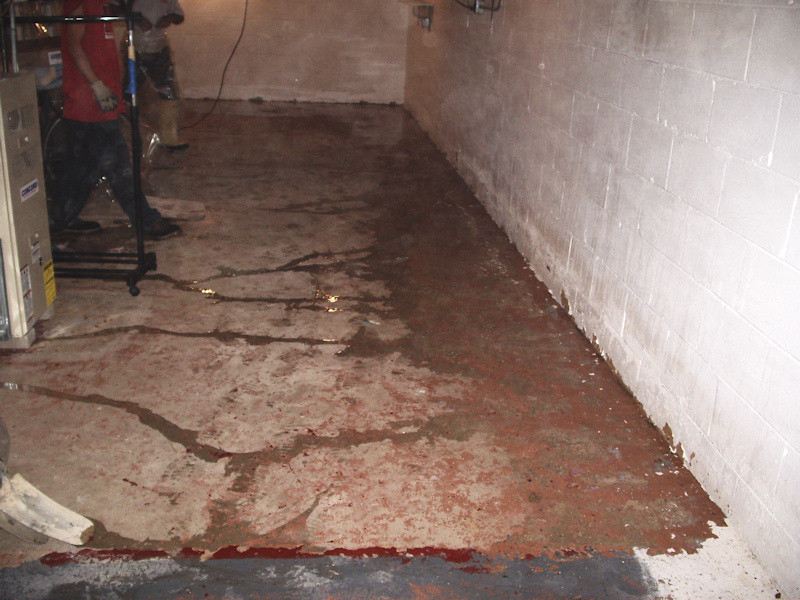

Ever noticed dampness or even puddles in your basement after heavy rainfall? You’re likely dealing with the invisible force of hydrostatic pressure. It’s an issue that can sneak up on homeowners, causing potentially significant damage without any obvious culprit. This pressure, driven by water-soaked soil around your home, can force moisture through even the smallest cracks and pores in your basement walls and floors. But don’t worry, there’s a silver lining. With a good understanding of hydrostatic pressure and its effects, you can find ways to protect your home. Curious to know how? Let’s explore.
Key Takeaways
- Hydrostatic pressure, resulting from groundwater, forces water through cracks and porous materials into basements.
- Excessive rainfall or snowmelt increases hydrostatic pressure, exacerbating basement water intrusion.
- Signs of hydrostatic pressure damage include water stains, mold, efflorescence, and cracks in walls or floors.
- Poor drainage systems, foundation cracks, and inadequate waterproofing contribute to basement water intrusion issues.
- Prevention strategies include installing gutters, proper landscape grading, using sump pumps, and waterproofing basement walls.
Understanding Hydrostatic Pressure
 The phenomenon of hydrostatic pressure might seem complex, but it’s actually a straightforward concept once you break it down. At its simplest, hydrostatic pressure is the force exerted by a fluid at equilibrium due to the force of gravity.
Imagine you’re at the bottom of a swimming pool. The weight of the water above you creates a pressure that you can feel pressing on your body. That’s hydrostatic pressure in action.
Now, let’s apply this concept to your basement. Picture your house as a boat sitting in a massive underground river. The soil around your home is saturated with water, similar to the water in the swimming pool. The water in the soil exerts a pressure against your basement walls and floor. This is hydrostatic pressure, and it’s constantly pushing against your home’s foundation.
If you’ve ever had a leaky basement, you’ve felt the effects of hydrostatic pressure. It can push water through cracks, joints, and porous material, leading to dampness, water damage, and mold.
Understanding this force is the first step to handling basement water intrusion effectively.
Causes of Basement Water Intrusion
Understanding hydrostatic pressure lays the groundwork for exploring why basement water intrusion happens.
Now, let’s investigate the causes behind this pesky problem. There are several factors at play that can lead to water finding its way into your basement.
- Poor Drainage: If your home’s exterior drainage system isn’t functioning properly, it can’t efficiently move water away from your foundation. This can cause water to pool around your home’s base and potentially seep into your basement.
- Cracks in Foundation: Over time, your home’s foundation can develop cracks and gaps due to ground settling or construction issues. These cracks provide an easy path for water to invade your basement.
- Sump Pump Failure: A sump pump is a vital line of defense against water intrusion. However, if it fails or is overwhelmed by a heavy downpour, your basement may become susceptible to flooding.
- Inadequate Waterproofing: If your basement hasn’t been properly waterproofed, it’s like a welcome mat for water intrusion.
The Relationship Between Hydrostatic Pressure and Basements
When it comes to basements, hydrostatic pressure plays a significant role in whether you’ll have to deal with water intrusion. This pressure originates from the water in the soil surrounding your basement. When it rains or when there’s a thaw, the water table can rise, increasing the hydrostatic pressure.
Now, you might wonder why this pressure impacts your basement. Well, it’s simple. Hydrostatic pressure pushes water against the weakest points in your basement walls and floors. Your home’s foundation isn’t watertight; it’s porous. So, when water is pushed against it, it seeps through any cracks or gaps it can find, leading to water intrusion in your basement.
It’s also worth noting that the level of hydrostatic pressure isn’t constant. It varies based on factors like rainfall, soil type, and the water table level.
These fluctuations mean that the risk of water intrusion isn’t always the same. You might’ve dry periods, but then get hit with water intrusion after heavy rainfall. That’s the tricky part about dealing with hydrostatic pressure – it’s unpredictable and can cause issues when least expected.
Signs of Hydrostatic Pressure Damage
Your basement’s telltale signs of hydrostatic pressure damage may be subtle at first, but they can quickly escalate if left unattended.
You’ll need to be vigilant and proactive in spotting these early indicators:
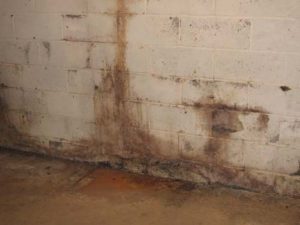
- Water Stains: These are often the first signs of trouble. You may notice dark, damp spots on your basement walls or floor. While they may seem insignificant at first, they’re a clear indication of water seeping in.
- Mold and Mildew: If there’s moisture, there’s a good chance mold and mildew won’t be far behind. This not only damages your property but can also pose significant health risks.
- Efflorescence: This is a white, powdery substance that appears on your basement walls. It’s caused by mineral salts left behind when water evaporates.
- Cracked Walls or Floors: Hydrostatic pressure can cause your basement walls and floors to crack, allowing more water to seep in.
Prevention Strategies for Hydrostatic Pressure Intrusion
To effectively combat the destructive forces of hydrostatic pressure, it’s essential to implement preventative measures. Here are some strategies you can employ to help keep your basement dry and damage-free.
Firstly, manage rainwater effectively. Install gutters and downspouts that channel water away from your home’s foundation. Make sure they’re clear of leaves and debris, so water doesn’t overflow and pool around your home.
Secondly, grade your landscape appropriately. Your yard should slope away from your home, directing runoff water away from your foundation. This can be a simple yet effective way to reduce hydrostatic pressure buildup.
Thirdly, consider installing a sump pump. It’s a device that removes water from your basement, preventing accumulation that can lead to hydrostatic pressure. Remember, though, it’s not a magic bullet. It needs regular maintenance to function effectively.
Lastly, waterproof your basement walls. This barrier helps to prevent water from seeping into your basement, reducing the chances of hydrostatic pressure buildup.
Professional Solutions to Hydrostatic Pressure Problems
Facing hydrostatic pressure problems head-on, you might find it beneficial to seek professional assistance.
Trained experts can identify the specific causes of your issues and propose effective solutions. They’ve extensive knowledge and tools that you might lack, making them ideal for this task.
There are several professional solutions to address hydrostatic pressure problems:
- Drainage Systems: Professionals can install interior or exterior drainage systems to carry water away from your home, mitigating the pressure.
- Sump Pumps: These devices can be put in to pump out excess water, relieving the hydrostatic pressure. The pump gets triggered when water levels rise considerably.
- Sealing and Waterproofing: Professionals can apply waterproof coatings and sealants on your basement walls to prevent water intrusion.
- Foundation Repairs: If the hydrostatic pressure has caused considerable damage, experts can repair or reinforce your basement’s foundation.
As you can see, professional solutions offer a thorough approach to dealing with hydrostatic pressure problems.
You don’t have to face this issue alone. Trust the experts, and you’ll be able to keep your basement dry and your home safe and sound.
Remember, hydrostatic pressure isn’t just an invisible force, it’s a real threat to your basement. From causing water intrusion to triggering mold growth and structural damage, it’s a problem you can’t ignore. But don’t worry! By understanding its causes and identifying early signs, you can take preventive measures to protect your basement. Still, if the problem persists, don’t hesitate to call in the professionals. After all, your home’s health is paramount!