
A Parent-Friendly Look at Woodland Wanderers’ Blended Early Years Model in Bowes Park
Potters Bar, United Kingdom – March 18, 2026 / Woodland Wanderers /
Woodland Wanderers Montessori Forest School in Bowes Park, North London Explains How Montessori + Forest School + Sustainability Fit Together in Early Years
A Parent-Friendly Guide to the Blended Model at Woodland Wanderers Montessori Forest School in Bowes Park, North London
Woodland Wanderers Montessori forest school in Bowes Park, North London is helping families understand how a blended early years approach can support independence, resilience, and wellbeing. By combining a structured Montessori classroom, weekly forest school immersion, and a sustainability curriculum preschool ethos, the setting offers a balanced model rooted in EYFS principles and outdoor learning.
This educational press release explains how the different elements work together in practice. It outlines what parents can expect from a Montessori classroom, how forest school experiences strengthen confidence and curiosity, and where sustainability appears in day to day routines. It also highlights practical questions families can ask when touring early years settings in Bowes Park and the surrounding North London area.
What a Montessori Classroom Means in Practice at Woodland Wanderers Montessori Forest School
The Montessori approach is often described as child-led learning, but in practice it is a carefully prepared environment shaped around independence and purposeful activity. At Woodland Wanderers Montessori forest school in Bowes Park, the classroom is arranged to support concentration, choice, and responsibility within the framework of EYFS.
Children work with hands-on materials designed to build skills in literacy, numeracy, practical life, and sensory development. Activities are presented in a structured way, then children are given time and space to repeat, practise, and master them. This repetition supports deep understanding rather than surface learning.
Teachers observe closely and guide gently, stepping in when support is needed and stepping back when a child is focused. This balance helps children build self-direction and confidence in their abilities.
A Montessori classroom also encourages mixed-age interaction where appropriate, allowing younger children to learn by observing and older children to consolidate knowledge by modelling skills. This social dynamic helps develop communication, patience, and empathy.
At Woodland Wanderers Montessori forest school, the Montessori environment does not replace play. Instead, it frames play as purposeful exploration. Materials are accessible, routines are predictable, and children are encouraged to care for their space. This creates a calm atmosphere where learning feels natural and self-motivated.
What Forest School Adds to Early Years Development
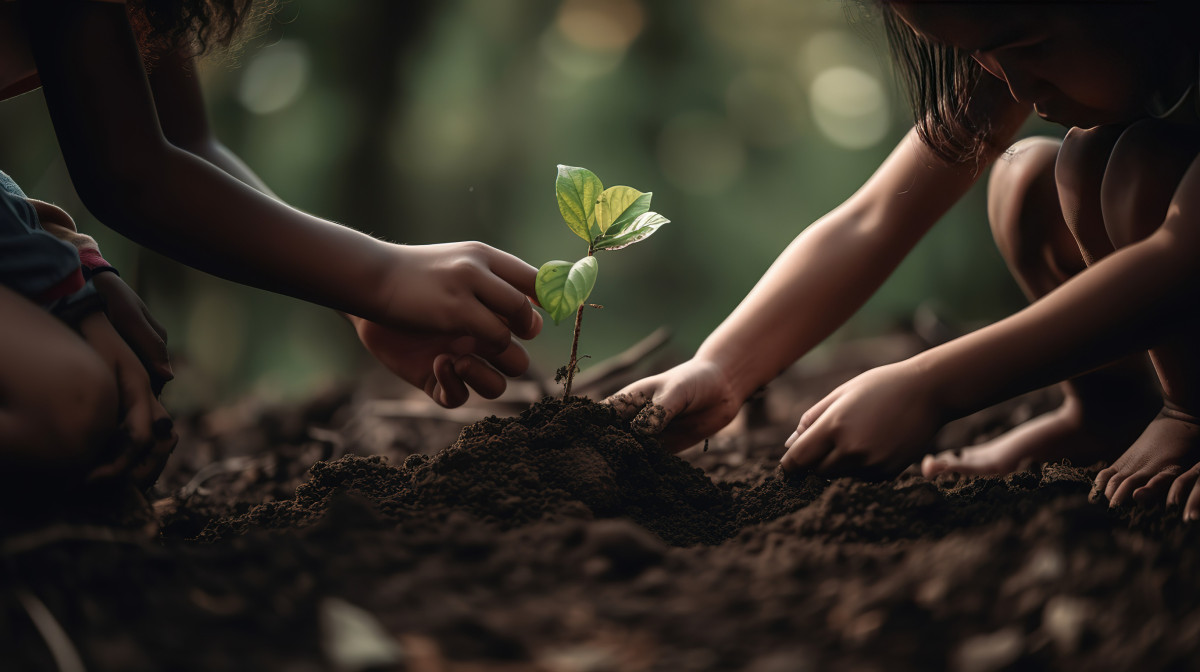
While the Montessori classroom supports structured independence indoors, weekly forest school immersion extends learning into outdoor spaces. Outdoor learning is not treated as an extra activity but as an integrated part of the curriculum at Woodland Wanderers Montessori forest school.
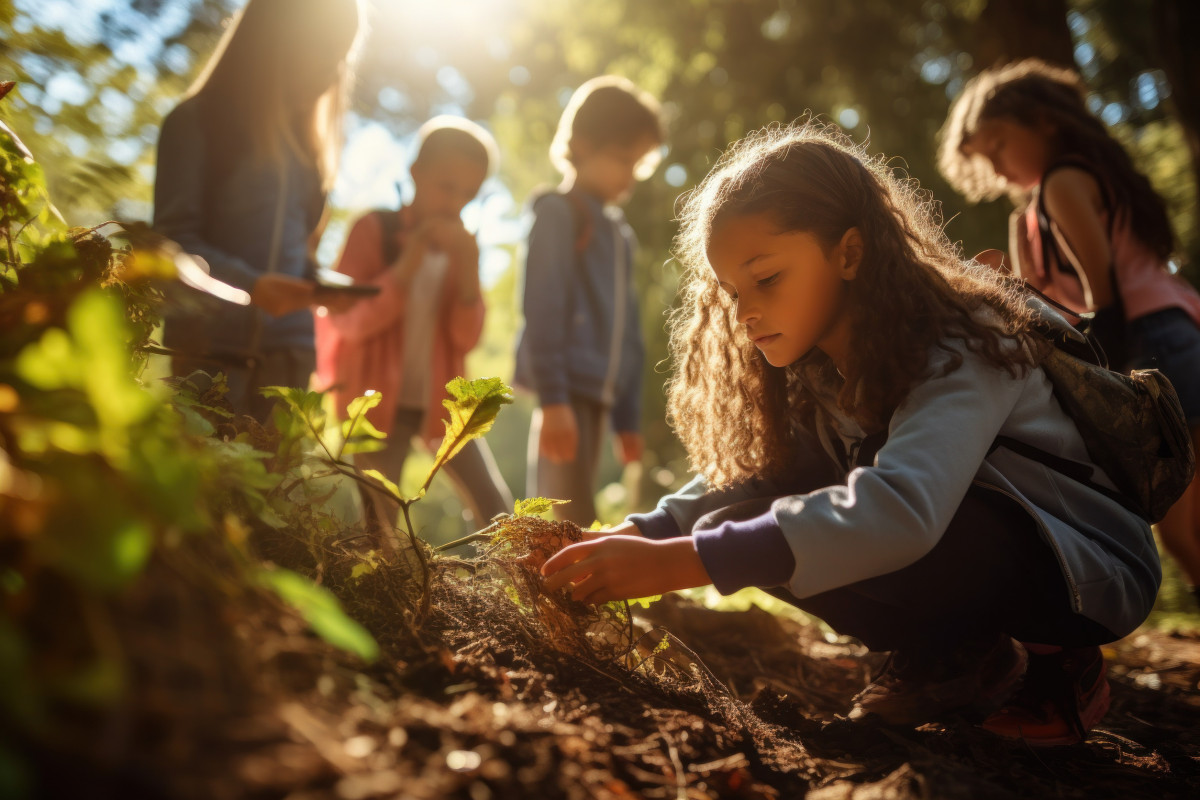
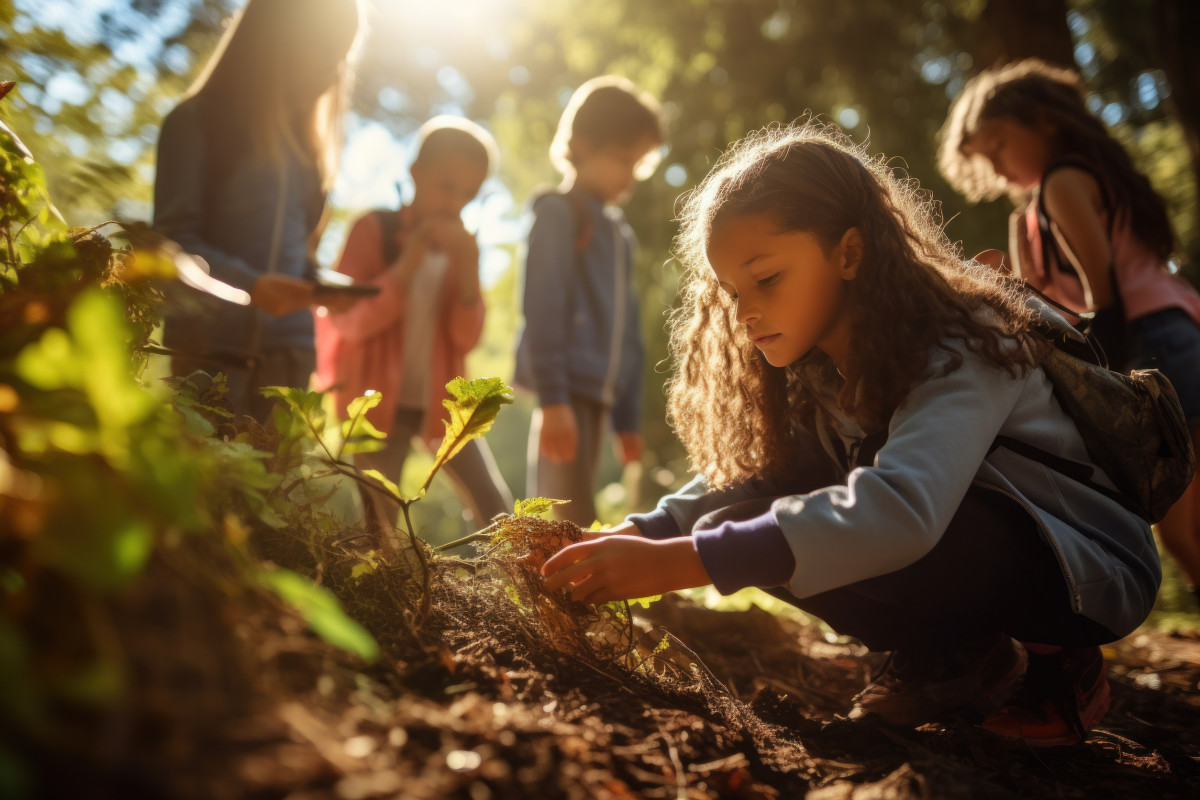
Forest school experiences give children the opportunity to explore natural environments in all seasons. They learn to assess manageable risk, solve problems, and work together in real situations. Activities might include building simple shelters, observing wildlife, using age-appropriate tools under supervision, and engaging in imaginative play shaped by the landscape.
Exposure to changing weather, uneven ground, and open-ended materials supports physical coordination and spatial awareness. It also encourages resilience. When children face challenges outdoors, such as balancing on logs or navigating muddy paths, they practise persistence in a meaningful context.
Outdoor learning also strengthens curiosity. Nature provides unpredictable stimuli. A fallen branch, a change in light, or the discovery of insects can spark questions and conversations that deepen understanding of the world.
At Woodland Wanderers Montessori forest school in Bowes Park, forest school sessions are guided by trained practitioners who align activities with EYFS goals. The emphasis remains on child-led exploration within clear boundaries. This approach builds trust, responsibility, and a sense of capability.
How a Sustainability Curriculum Preschool Ethos Shows Up Day to Day
A sustainability curriculum preschool ethos at Woodland Wanderers Montessori forest school is woven into everyday practice rather than presented as a separate topic. Children are introduced to age-appropriate ideas about caring for their environment, respecting resources, and understanding community responsibility.
In practical terms, sustainability appears in routines such as mindful use of materials, caring for shared spaces, and participating in simple gardening activities. Children learn where food comes from and how meals are prepared, linking healthy habits to broader awareness. Organic meals are part of this daily rhythm, supporting wellbeing while introducing conversations about food origins.
The sustainability ethos also connects to community involvement. Children may take part in small projects that encourage awareness of their local area in Bowes Park and North London. These experiences help them understand that they are part of a wider community.
Importantly, the focus remains educational rather than promotional. Sustainability is presented as a set of values that align with respect, responsibility, and care. These values support social and emotional development in line with EYFS outcomes.
How the Blended Model Supports Independence, Confidence, and Wellbeing in EYFS
The strength of Woodland Wanderers Montessori forest school lies in how Montessori principles, forest school immersion, and a sustainability curriculum preschool ethos reinforce each other.
Montessori encourages children to make choices and manage tasks independently. Forest school gives them space to test physical and emotional limits in a supportive setting. Sustainability values nurture awareness of others and shared responsibility.
Together, these elements build confidence. A child who can pour water independently in the classroom and navigate a woodland path outdoors experiences competence in different environments. This broad sense of capability strengthens self-esteem.
Resilience grows through repeated opportunities to try, reflect, and try again. Whether completing a practical life activity or working through a challenge outdoors, children learn that effort leads to progress.
Wellbeing is supported through balance. Quiet focus in the classroom is complemented by active exploration outdoors. Nutritious organic meals contribute to physical health, while predictable routines provide emotional security.
This blended model reflects a holistic interpretation of EYFS, where communication, physical development, personal growth, and understanding of the world are interconnected.
Questions Parents Can Ask When Visiting Woodland Wanderers Montessori Forest School in Bowes Park
When visiting Woodland Wanderers Montessori forest school in Bowes Park, parents may wish to ask how the Montessori environment is prepared and how independence is encouraged at different ages.
Questions about forest school sessions can explore how risk is managed, how often children attend outdoor learning experiences, and how activities align with EYFS goals.
Families interested in a sustainability curriculum preschool approach may ask how values are introduced in age-appropriate ways and how children participate in daily routines that build responsibility.
It can also be helpful to ask how practitioners observe progress and communicate with families, particularly around child-led learning and personal development.
Understanding how indoor and outdoor elements connect will give parents a clearer picture of how the blended model works in practice.
Frequently Asked Questions About Woodland Wanderers Montessori Forest School
What makes Woodland Wanderers Montessori forest school different from a traditional nursery?
Woodland Wanderers Montessori forest school combines a structured Montessori classroom with weekly forest school immersion and a sustainability curriculum preschool ethos. Traditional nurseries may offer play-based learning, but this blended model integrates child-led learning, purposeful materials, and regular outdoor learning in natural settings. The approach is designed to build independence, resilience, and confidence within the EYFS framework. By balancing indoor focus with outdoor exploration, children experience varied environments that support physical, emotional, and cognitive development in a connected way.
How does the sustainability curriculum preschool approach benefit young children?
The sustainability curriculum preschool approach introduces children to responsibility and care in practical, age-appropriate ways. At Woodland Wanderers Montessori forest school, this includes mindful routines, understanding food origins, and participating in small community-focused activities. These experiences help children develop awareness of their surroundings and the impact of their choices. Over time, this fosters empathy, cooperation, and respect for shared spaces. The focus remains on building positive habits and social understanding that align with EYFS goals for personal, social, and emotional development.
Is forest school safe for preschool-aged children?
Forest school sessions at Woodland Wanderers Montessori forest school are carefully planned and supervised by trained practitioners. Children are introduced to manageable risk in a controlled way, which helps them develop judgement and confidence. Safety boundaries are clearly explained, and activities are adapted to suit age and developmental stage. Rather than removing all challenge, the approach teaches children how to assess situations and make safe decisions. This balanced method supports resilience and physical coordination while maintaining a secure environment.
How does child-led learning work within EYFS requirements?
Child-led learning at Woodland Wanderers Montessori forest school operates within the EYFS statutory framework. Practitioners observe children closely, identify interests, and prepare activities that support developmental goals. Montessori materials are structured to build specific skills, while forest school experiences contribute to physical and social outcomes. Documentation and assessment ensure progress is monitored without interrupting natural exploration. This approach respects each child’s pace while meeting national early years standards, creating a supportive and structured learning environment.
What should parents look for during a tour of Woodland Wanderers Montessori forest school in Bowes Park?
During a tour, parents can observe how the Montessori classroom is organised and whether children are engaged in purposeful activity. Attention can be given to how practitioners interact with children and support independence. It is also helpful to ask about the frequency and structure of forest school sessions and how outdoor learning is integrated with classroom work. Families may explore how the sustainability curriculum preschool ethos appears in daily routines. These observations provide insight into how the blended model supports development.
Visit Woodland Wanderers Montessori Forest School in Bowes Park, North London
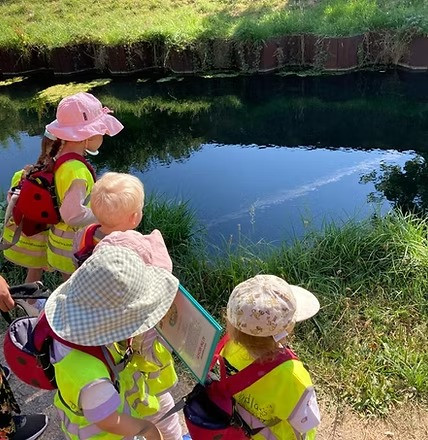
Woodland Wanderers Montessori forest school in Bowes Park, North London offers families an early years setting that blends Montessori structure, forest school immersion, and a sustainability curriculum preschool ethos within the EYFS framework.
Parents who would like to understand how this model works in practice are encouraged to book a visit and explore the classrooms and outdoor spaces firsthand. Observing child-led learning and outdoor learning in action provides clarity on how independence, confidence, and wellbeing are nurtured from the earliest years.

Contact Information:
Woodland Wanderers
98 Hatfield Road Potters Bar
Potters Bar, Hertfordshire EN6 1HX
United Kingdom
Asha Chandegra
+44 7825 781270
https://www.woodlandwanderers.info/
Original Source: https://www.woodlandwanderers.info/media-room
