
American Family Bioclean’s Guide to Safe Sharps & Needle Cleanup in Florida
Lakeland, United States – July 3, 2026 / American Family Bio-Clean /
Sharps and used needles can create serious safety hazards when they are found in homes, businesses, healthcare facilities, or public spaces. Whether they come from medical treatments or other sources, these items should never be handled without proper precautions, as they may cause injury or expose people to harmful bloodborne pathogens. Understanding how to safely manage and dispose of sharps is an important step toward protecting families, workers, and the surrounding community while reducing unnecessary health risks.
Florida has established regulations and disposal programs that help residents safely manage sharps waste. Following these guidelines not only supports public health but also protects sanitation workers and the environment from preventable exposure. In this guide, American Family Bioclean explains Florida’s sharps-disposal requirements, the types of items considered hazardous sharps, and the safest ways to handle and dispose of them to maintain a clean and secure environment.
Florida’s Needle Disposal Regulations
Florida has specific regulations for disposing of needles and other sharps to reduce injuries and prevent contamination. These requirements closely follow FDA recommendations, which state that used sharps should always be placed in FDA-approved disposal containers. These containers are designed to resist punctures, prevent leaks, and close securely so used needles remain safely contained until they reach an approved disposal facility. Simply placing needles inside household containers or regular trash can create unnecessary risks for anyone handling the waste later.
Proper disposal protects more than the person using the needle. Waste collection employees, maintenance workers, and members of the public can all be injured when loose sharps enter the regular trash stream. Florida health officials have reported an increase in needlestick injuries among sanitation workers over recent years, reinforcing the importance of following approved disposal methods. To improve accessibility, many Florida counties also participate in programs authorized under the Infectious Disease Elimination Act (IDEA), which support needle-exchange initiatives and provide safe options for returning used syringes. Many local health departments also provide information about drop-off locations, mail-back programs, and community collection events, making responsible disposal easier for residents managing chronic conditions such as diabetes or allergies. Together, federal guidance, state regulations, and county programs create a coordinated system that helps reduce injuries, limit disease transmission, and protect communities throughout Florida.
“Disposing of your needles the right way doesn’t just keep you safe. It keeps your neighbors and sanitation workers safe too.”
Residents who use sharps at home should contact their local health department or review available county resources to learn about approved disposal options. Choosing the correct disposal method helps meet state regulations while contributing to a safer environment for everyone.
Defining Sharps and Hazardous Waste
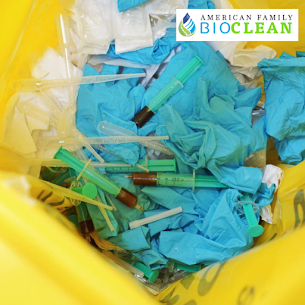
Sharps include any medical item designed to pierce or cut the skin. Common examples include hypodermic needles, insulin pen needles, syringes, lancets, scalpels, infusion sets, and certain broken medical glass. While many of these items are routinely used for medical treatments at home or in healthcare facilities, they become hazardous once used because they can cause puncture injuries and may carry infectious materials. Under Florida regulations, contaminated sharps are considered regulated medical waste and require special handling to reduce health risks.
Improperly discarded sharps can expose family members, sanitation workers, healthcare staff, and others to bloodborne diseases such as HIV, Hepatitis B, and Hepatitis C. Florida Administrative Code (FAC 64E-16) classifies contaminated sharps as regulated medical waste due to their physical and biological hazards. This classification requires used sharps to be placed inside puncture-resistant, leak-proof containers that are properly labeled before disposal. These requirements help keep loose needles out of the regular trash and ensure they are handled in accordance with established public health standards.
|
Item Type |
Description |
Classification |
|
Needles |
Hypodermic needles, insulin needles |
Regulated Medical Waste |
|
Syringes |
Syringes with or without needles |
Regulated Medical Waste |
|
Lancets |
Fingerstick devices |
Regulated Medical Waste |
|
Scalpels |
Surgical blades |
Regulated Medical Waste |
The Centers for Disease Control and Prevention (CDC) emphasizes the importance of proper disposal:
“Improper disposal of sharps can indirectly lead to outbreaks of blood-borne diseases within communities.”
Clearly defining what qualifies as sharps helps individuals, healthcare providers, and local agencies follow consistent disposal procedures. Using FDA-approved sharps containers, avoiding household trash, and utilizing approved collection programs all contribute to safer handling practices. Understanding these classifications also provides a strong foundation for learning about the disposal methods available throughout Florida.
Approved Disposal Methods
Safely disposing of sharps starts with using the right container. Florida recommends placing used needles, syringes, and other sharps into FDA-cleared disposal containers immediately after use. These containers are made from puncture-resistant plastic, have leak-proof sides, and close securely to prevent accidental exposure. They are available through pharmacies, healthcare providers, and medical supply stores, making them accessible to people who use sharps regularly at home. Placing sharps directly into these containers helps reduce the risk of needle-stick injuries while keeping hazardous waste safely contained until disposal.
Residents who cannot easily reach a disposal site may benefit from mail-back programs that allow sealed sharps containers to be shipped to authorized disposal facilities. These services comply with strict transportation and waste management regulations, providing a practical solution for people in rural areas or anyone seeking a convenient disposal option. Florida also supports several local collection options where residents can safely dispose of filled sharps containers.
Drop-off Collection Sites
-
Hospitals and clinics: Many healthcare facilities accept properly sealed sharps containers through designated collection areas.
-
Pharmacies: Some chain and independent pharmacies participate in take-back programs for household sharps.
-
Household hazardous waste collection sites: Many counties organize collection events or maintain permanent facilities that accept sharps along with other hazardous household waste.
Using these approved collection methods keeps needles out of household garbage, reduces the risk of accidental injuries, and helps protect sanitation workers, wildlife, and the environment. Residents should check with their county or healthcare provider to identify the disposal option that best fits their location.
Local Disposal Sites and Services
Many Florida communities offer convenient locations where residents can safely dispose of used needles and other sharps. Hospitals, healthcare centers, pharmacies, and county collection facilities work together to provide safe disposal services that help prevent injuries and environmental contamination. These locations allow residents to dispose of sharps responsibly rather than placing them in regular trash or resorting to unsafe disposal methods.
Several healthcare facilities throughout Pinellas County and nearby communities provide information or collection services for household sharps. Facilities such as Florida Hospital North Pinellas, Morton Plant Mease HealthCare locations, HCA Florida Largo Hospital, and St. Petersburg Medical Center offer guidance on local disposal procedures, while some hospitals also maintain designated collection points. Since operating hours and services may vary, residents should contact the facility before visiting to confirm availability and any specific requirements for sealed containers.
Helpful online resources can also simplify the process. Websites such as SafeNeedleDisposal.org allow users to search by ZIP code and locate nearby drop-off sites, participating pharmacies, community clinics, and permanent collection programs. Taking advantage of these resources makes it easier to comply with Florida regulations while protecting the community from unnecessary exposure to hazardous sharps.
Properly preparing sharps before bringing them to these facilities is just as important as choosing the correct disposal site. Safe handling at home helps ensure every step of the disposal process remains secure for everyone involved.
Safe Home Disposal Tips
Safe sharps disposal begins at home. After use, a needle, syringe, or lancet should be placed immediately into a puncture-resistant sharps container without attempting to bend, break, or recap it. FDA-cleared sharps containers are the safest option because they are designed to prevent leaks and punctures. If one is not immediately available, a heavy-duty plastic container with a secure lid may be used temporarily until a proper disposal container can be obtained. Once the container reaches about two-thirds full or the marked fill line, it should be sealed securely to prevent accidental exposure during transport.
The sealed container should always be stored out of reach of children and pets until it can be taken to an approved disposal site or mailed through an authorized disposal program. Clearly labeling the container as “Sharps Waste” or “Biohazard” provides an added layer of safety for anyone handling it. Following these simple practices helps protect family members, sanitation workers, and the community while supporting Florida’s disposal regulations.
Environmental and Public Safety Concerns
Improperly discarded sharps can affect far more than the person who used them. Needles thrown into household trash or flushed down drains can end up in landfills, waterways, or public spaces where they create long-term environmental and health risks. Contaminated sharps may introduce harmful pathogens into the environment and increase the risk of accidental injury to anyone who comes into contact with them.
Sanitation workers face one of the greatest risks. According to the CDC, thousands of needlestick injuries occur every year among waste management professionals, exposing them to serious diseases such as Hepatitis B, Hepatitis C, and HIV. The danger also extends to maintenance staff, children, pets, and anyone who encounters discarded needles in parks, neighborhoods, or other public areas. Public education, local collection programs, and responsible disposal practices all play an important role in reducing these preventable hazards.
Residents can support a safer community by participating in approved needle collection programs, using proper sharps containers, and encouraging others to follow safe disposal practices. Small actions taken by individuals help protect Florida’s environment, reduce injuries, and support the health of everyone who lives and works in the community.
Proper sharps disposal is an important part of protecting public health, preventing injuries, and preserving the environment. By understanding Florida’s regulations, recognizing what qualifies as regulated medical waste, using approved disposal containers, and taking advantage of local collection programs, residents can safely manage used needles and other sharps.

Why Rely on American Family Bioclean for Thorough and Safe Sharps & Needle Cleanup?
American Family Bioclean provides professional sharps and needle cleanup services for properties where potentially hazardous materials require specialized handling and disposal. The company follows established safety procedures to collect, contain, and properly dispose of needles and other sharps, helping to reduce health risks for property owners and occupants. Those needing assistance can contact American Family Bioclean at 866-486-3683 to discuss their cleanup needs and arrange prompt service. Through trained technicians, careful decontamination practices, and responsible disposal methods, the company delivers dependable biohazard cleanup services across Florida.


Contact Information:
American Family Bio-Clean
5512 Harbor Dr W
Lakeland, FL 33809
United States
Missy Dalton
(888) 445-0767
https://americanfamilybioclean.com/

